

Shubman Gill’s 2025 told a mixed story — leadership opportunities, tough lessons, and the need for reinvention at a career crossroads.

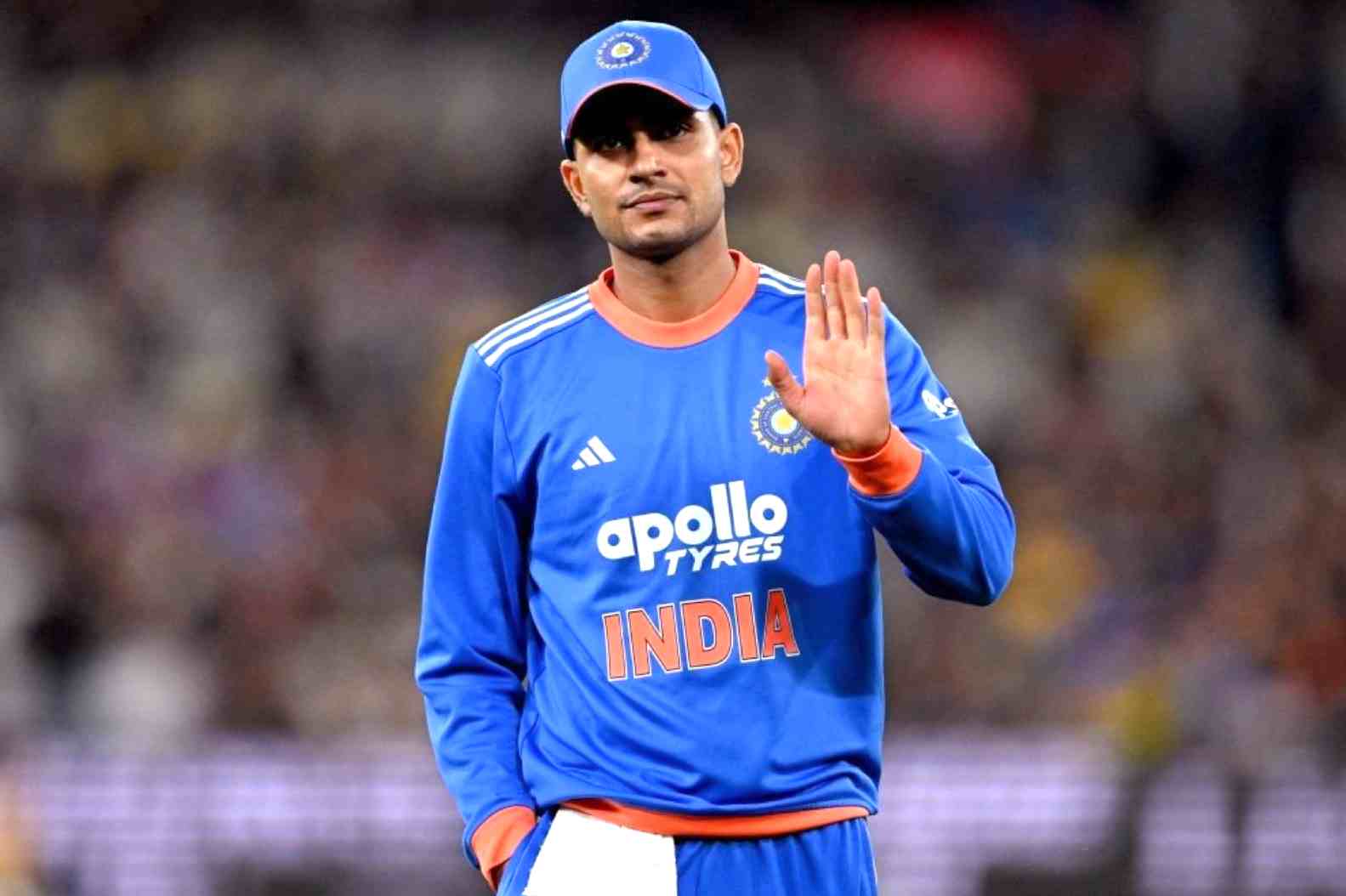
For Shubman Gill, 2025 showcased a mix of highs and lows. It was a year filled with success and challenges, promotion and exclusion, belief and harsh reality. This year highlighted the contradictions of modern Indian cricket, where opportunities often come with significant changes.
Gill became India’s most successful Test batter and took on leadership roles in both Tests and ODIs. However, he faced a snub from the T20 World Cup 2026 squad. Few India cricketers have experienced the highs and lows of this changing era as vividly as Shubman Gill did this year.
Shubman Gill’s Test journey reaches pinnacle
The turning point came when Rohit Sharma and Virat Kohli retired from Test cricket after the Border-Gavaskar Trophy 2024-25. The transition was unavoidable, and the selectors began looking for the future. Gill, having spent four years in international cricket already, was the most sensible choice—a calm leader with excellent skills.
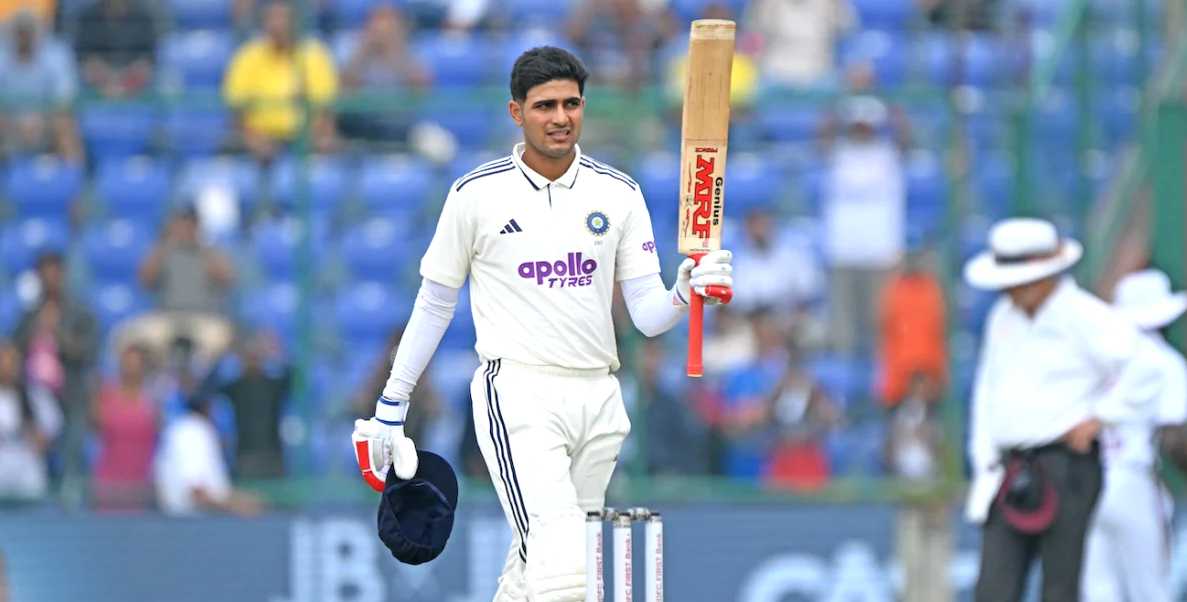
As India’s new Test captain, Gill proved his critics wrong with an exceptional year. He scored 983 runs in nine Tests at an average of 70.21, with five centuries and one fifty. His consistent performance, both at home and away, highlighted his growth from a promising talent to India’s batting mainstay. The highlight was during the England tour, where Gill had a career-defining series, overcoming difficult conditions with grace and skill.
More than just the statistics, it was his attitude that impressed. Gill showed composure under pressure, trusted his bowlers, and understood the importance of managing workloads. His leadership brought much-needed balance to a team searching for a new identity after years under Rohit and Kohli.
Though India suffered a whitewash from South Africa at home under Rishabh Pant in Gill’s absence, India’s strong performances post the Rohit-Kohli era in Tests proved the selectors’ long-term plan was working, aiming to shape the next decade of Test cricket around him.
Read More: Year-ender: Top 5 Test batters in 2025

Leadership continues in ODIs
The transition to ODI captaincy followed a similar path. Although Rohit Sharma led India to the Champions Trophy 2025 title, he was replaced. Chairman of selectors Ajit Agarkar stated that both Rohit and Kohli are non-committed for the next ICC ODI World Cup 2027 in South Africa. The selectors once again turned to Gill, who fitted their vision well as they looked towards the future.
Regarded as a link between generations, Gill’s batting style and mindset offered stability without stagnation. His selection also reflected the BCCI’s inclination to trust top-order batters with leadership roles. However, his captaincy debut in the ODI series against Australia didn’t bring immediate success, as India lost 1-2.
Still, even in defeat, Gill’s potential as the leader of India’s 50-over team remained strong. And, with Rohit-Kohli still around to guide him, potentially in his first-ever ICC tournament as well, one can expect Gill finishing as one of India’s best captains.
Read More: Objective analysis of Shubman Gill’s Test captaincy so far

T20I struggles & exclusion
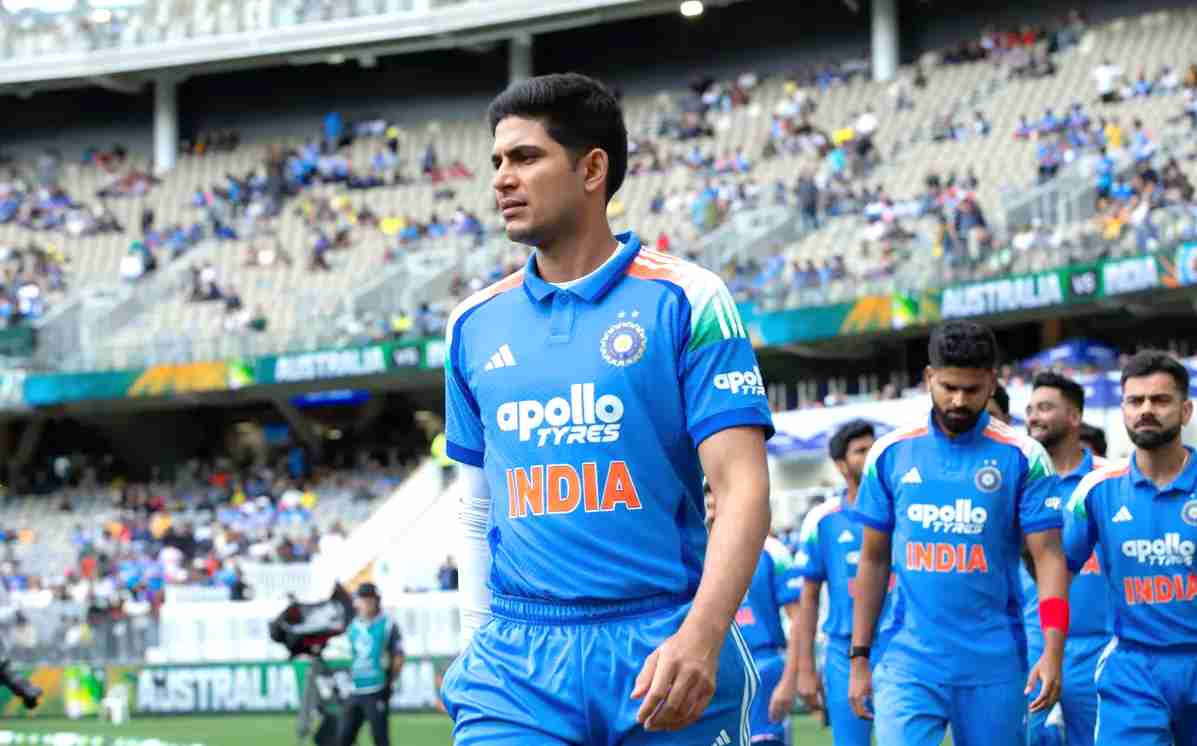
Ironically, while Shubman Gill’s reputation grew in Tests and ODIs, his T20I career faced challenges. After a year away from the shortest format, Gill returned to the T20I team for the Asia Cup 2025, taking on the role of vice-captain. The management backed him for 15 matches, but Gill failed to find his form and adjust to the fast pace of modern T20 cricket.
Since the Asia Cup 2025, Gill has scored only 291 runs in 15 innings at an average of 24.25. His traditional approach did not match the game’s new power-focused demands. His slow acceleration and India’s preference for a wicketkeeper-opener worked against him. When the squad for the 2026 T20 World Cup was announced, Gill’s exclusion, despite his leadership role, surprised many in Indian cricket.
Chief Selector Ajit Agarkar mentioned “team flexibility” as the main reason, with Rinku Singh taking Gill’s place and Sanju Samson expected to return as the opener. Gill might still be included among the travelling reserves, but the message was clear: If you don’t perform, there is no place for you.
Redefining Shubman Gill
Despite this, 2025 may be remembered not as a setback but as the year Gill’s true cricketing identity became clear. No longer burdened to be India’s all-format superstar, he has emerged as the anchor for the next generation.
Shubman Gill’s journey in 2025 highlighted the fine lines of modern cricket. He ended the year not as a dominant figure across formats but as the symbolic face of India’s new era in Tests and ODIs.
Read More: Time for India to rope in in-form opening partner for Abhishek Sharma in T20Is


