

What are the areas India Women need to work on ahead of the T20I series against Australia Women Down Under?

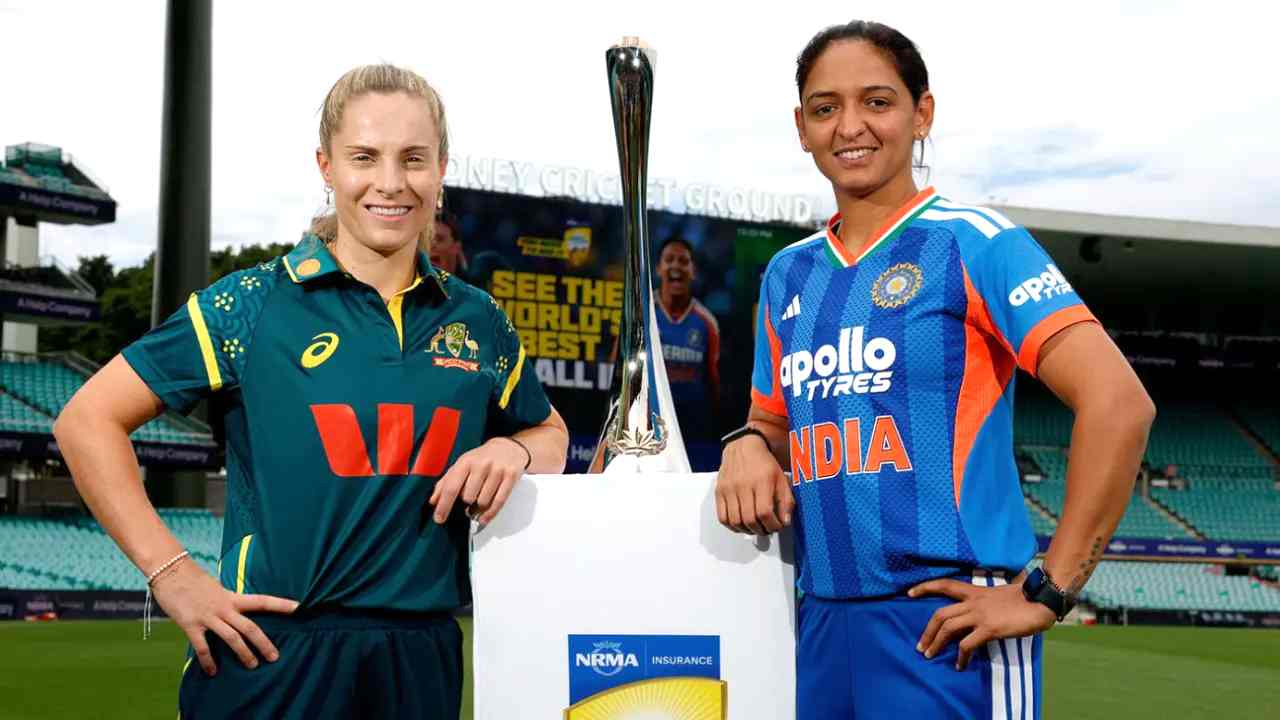
The recently concluded Women’s Premier League (WPL) 2026 offered a timely snapshot of India’s T20 talent pool before a demanding tour of Australia. The tournament highlighted India’s batting strength and emerging bowling depth, but it also exposed structural gaps that could become decisive against a disciplined Australia side in their own conditions.
Australia remain one of India Women’s toughest opponents in T20 cricket, with a long record of series wins and narrow victories in major tournaments. Playing in Australia, where bounce, pace, and fielding standards are consistently high, will test India’s balance more than the spin-friendly conditions at home.
The WPL provided clues about where India stand and what still needs fixing.
Read More: Takeaways for India Women from T20I series against Sri Lanka Women
Wicketkeeper question beyond Richa Ghosh
Richa Ghosh remains India’s first-choice wicketkeeper-batter, primarily because of her finishing ability and power against pace. However, the WPL once again showed India’s limited backup options behind the stumps.
India still lack a second keeper-batter who can reliably bat in the top six, something Australia possess in abundance with multi-role players. If Richa is unavailable or loses form, India’s batting balance could be affected immediately. The WPL reinforced how valuable multi-skilled players are in T20 cricket. Several teams relied on flexible batting lineups rather than fixed specialists, a model India may need to adopt.
One potential long-term option is Gunalan Kamalini, who has shown promise in domestic cricket and age-group competitions. While she is still developing at the senior level, with proper coaching, exposure, and role clarity, she could grow into a reliable backup wicketkeeper-batter for India.
Identifying and grooming such players early will be important for maintaining squad balance in overseas conditions. She also opened for the Mumbai Indians Women in WPL 2026, so the question whether India have a fixed opening pair or not remains. Developing a backup keeper who can bat in the top or middle order remains a priority heading into the overseas series.

Over-reliance on top-order
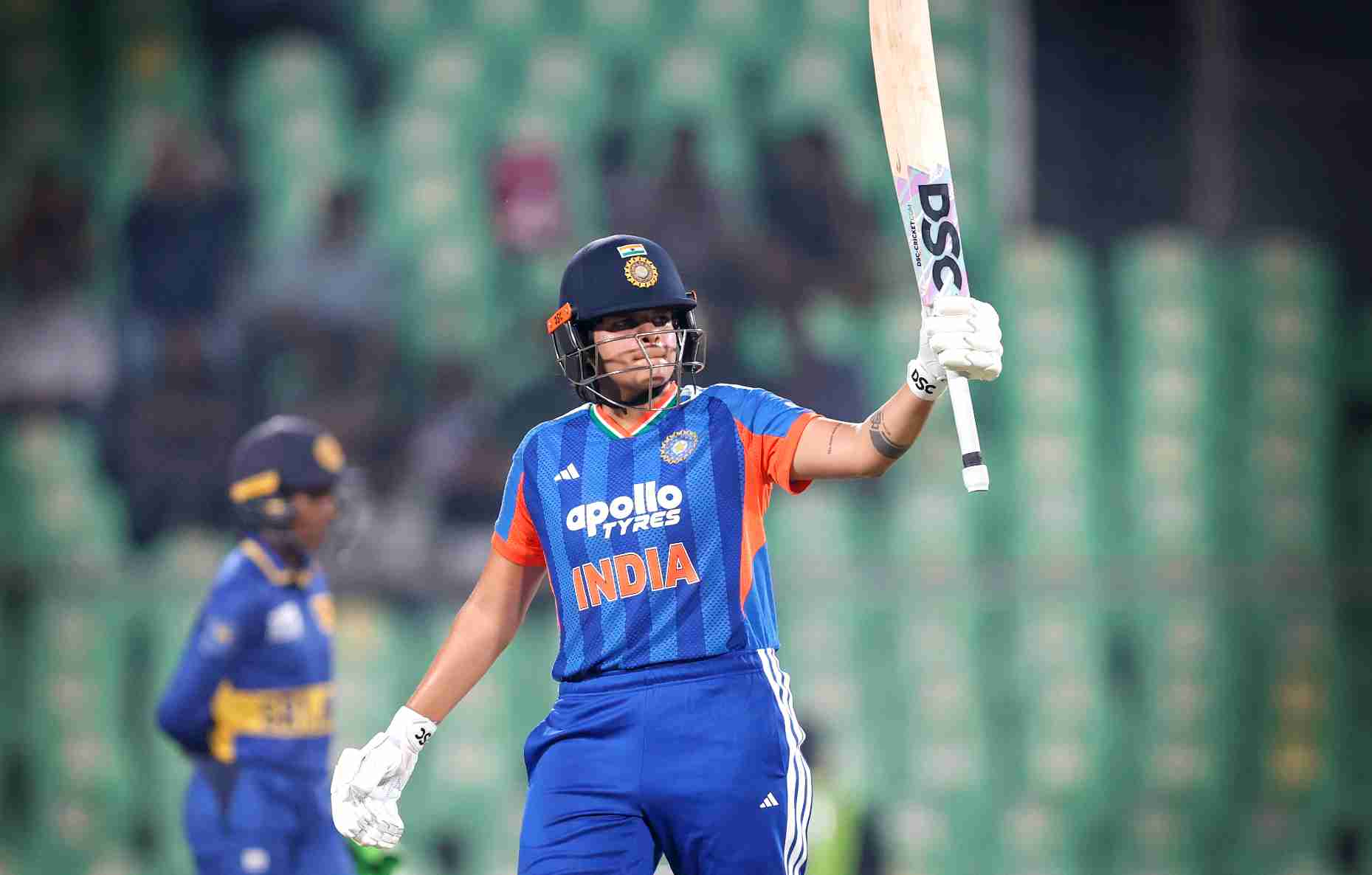
One of the strongest positives from the WPL was the form of India’s senior batters. Smriti Mandhana finished the tournament as the leading run-scorer with 377 runs, while Harmanpreet Kaur scored 342 runs, both striking at over 150. Their consistency at the top ensured that their teams regularly posted competitive totals.
Shafali Verma also had a productive campaign, scoring around 300 runs in the season while continuing to provide explosive starts in the powerplay. Her ability to dominate pace bowling remains one of India’s biggest assets in T20 cricket, particularly on good batting surfaces. Meanwhile, Jemimah Rodrigues contributed nearly 250 runs across the tournament, often anchoring innings in the middle overs and rotating strike effectively against spin. Her role as a stabiliser remains crucial in India’s T20 setup.
Together, these performances underline both India’s strength and a structural concern. The WPL once again showed that India’s batting engine is heavily dependent on the top and upper-middle order. When Mandhana, Shafali, Jemimah, or Harmanpreet build partnerships, teams look dominant; when early wickets fall, scoring rates tend to drop significantly.
Australia’s T20 success, by contrast, has often been built on batting depth and clearly defined roles throughout the lineup, allowing them to recover even after losing early wickets. That remains an area India must strengthen. India need greater middle-order consistency and finishing support, especially in overseas conditions where rebuilding innings becomes more challenging.
Read More: Why Jemimah Rodrigues is the most critical cog for India, going into a WT20 WC year

Finishing power remain inconsistent
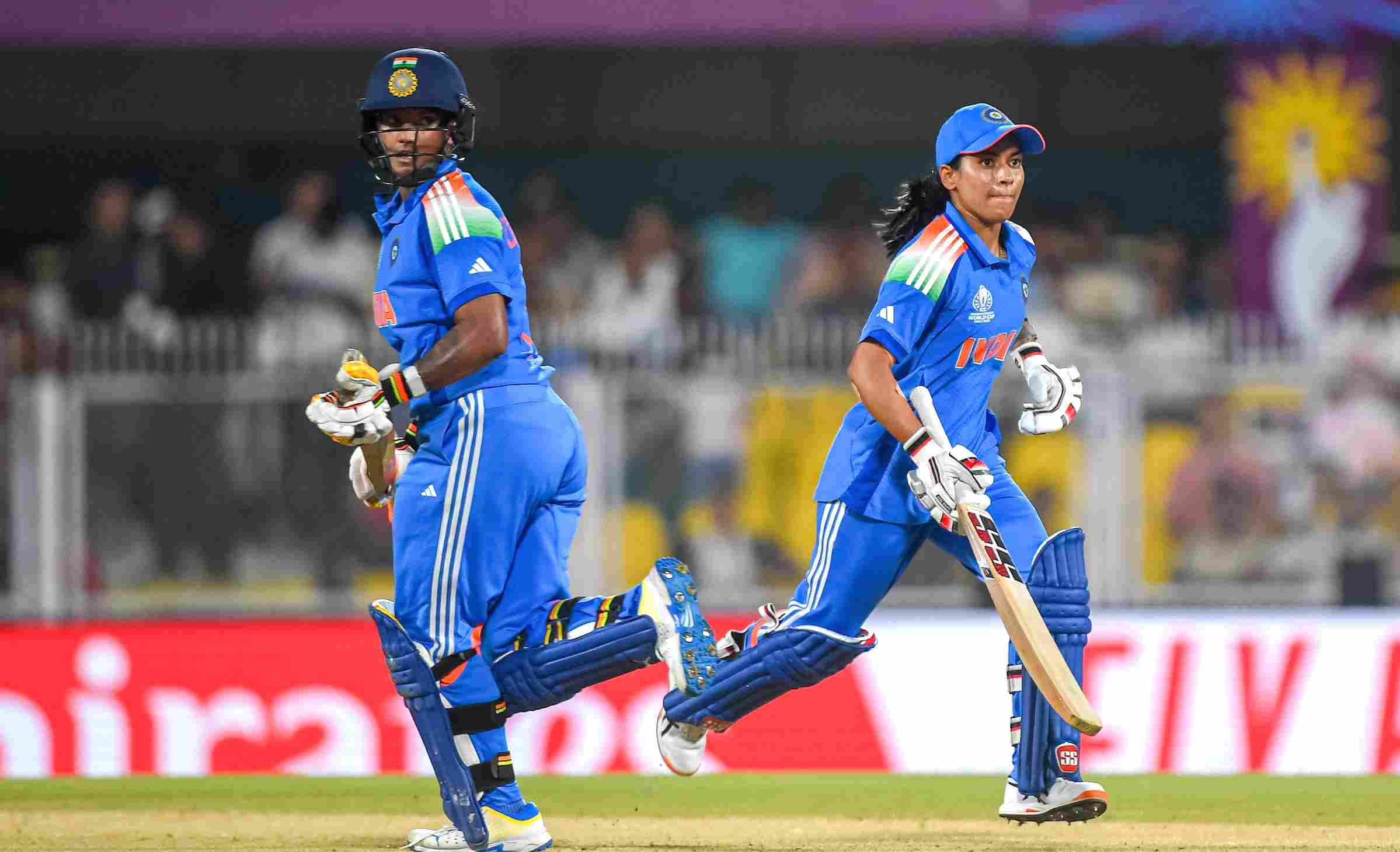
Across formats, India’s squads show a strong core of all-rounders and middle-order batters like Deepti Sharma, Amanjot Kaur, Sneh Rana, Shreyanka Patil, and Arundhati Reddy. But the finishing role in T20 cricket still lacks a clearly defined hierarchy beyond Richa Ghosh. While Richa remains India’s most reliable late-overs hitter, the responsibility often shifts depending on match situations rather than being anchored by a settled finishing combination.
Players like Amanjot Kaur and Deepti Sharma provide balance and composure, But Australia’s conditions, where the ball carries more and boundary sizes are larger, demand consistent power-hitting in overs 16-20. The inclusion of players such as Bharti Fulmali in the T20I squad suggests India are still exploring additional finishing options.
The overlap between ODI and Test squads also shows India prioritising batting stability and all-round depth, sometimes at the cost of specialist finishing roles. Developing two dependable finishers who can close innings regularly remains an important step, particularly for overseas T20 series.
Bowling depth improving, but pace balance remains key
One of the most encouraging aspects of the squads across formats is the expanding bowling pool. India now have a strong mix of experienced bowlers and emerging talent, particularly in spin and seam-bowling all-rounders.
The presence of Renuka Singh Thakur, Arundhati Reddy, and young seamers like Kranti Gaud and Vaishnavi Sharma reflects India’s effort to build pace depth for overseas conditions. Renuka remains the leader of the pace attack, especially with the new ball, while the younger bowlers represent long-term investment.
Spin continues to be India’s strongest bowling resource. Deepti Sharma, Sneh Rana, and Shreyanka Patil provide control in the middle overs across formats, while also contributing with the bat. This versatility is particularly valuable in T20 cricket.
However, Australian conditions will test whether India have enough pace-bowling variety and death-overs reliability beyond Renuka. The squads suggest progress in building depth, but consistency from the secondary seam options will be crucial.
Read More: Who is Vaishnavi Sharma, India Women’s new recruit in T20Is?
Bigger picture
Looking across India’s squads for the T20I, ODI, and Test formats for the Australia tour, a clear transition phase is visible. The team continue to be anchored by experienced leaders such as Harmanpreet Kaur, Smriti Mandhana, Deepti Sharma, and Jemimah Rodrigues, while younger players like Shreyanka Patil, Amanjot Kaur, and emerging seamers are gradually being integrated into the core.
The inclusion of two wicketkeeping options, Richa Ghosh and G. Kamalini, in the white-ball squads, and Uma Chetry in Tests reflects an effort to build depth in specialist roles. Similarly, the overlap between formats indicates India’s preference for multi-skill players who can adapt across conditions.
Yet the squads also highlight the areas India are still refining: finishing roles in T20 cricket, pace-bowling support in overseas conditions, and role clarity in the middle order. These are natural challenges for a team balancing continuity with transition.
If this group can convert domestic league experience and all-round depth into clearly defined roles, particularly in T20 cricket, India will be better prepared to compete consistently against Australia in their own conditions and in major ICC tournaments.
India T20I squad for Australia Tour
Harmanpreet Kaur (capt), Smriti Mandhana, Shafali Verma, Renuka Thakur, Sree Charani, Vaishnavi Sharma, Kranti Gaud, Sneh Rana, Deepti Sharma, Richa Ghosh (wk), G Kamalini (wk), Arundhati Reddy, Amanjot Kaur, Jemimah Rodrigues, Bharti Fulmali, Shreyanka Patil
Read More: BCCI hikes match fees for women’s domestic cricketers


