
Venkatesh Prasad’s main aim to restore Chinnaswamy Stadium as a prime venue for elite cricket after taking over KSCA leadership?
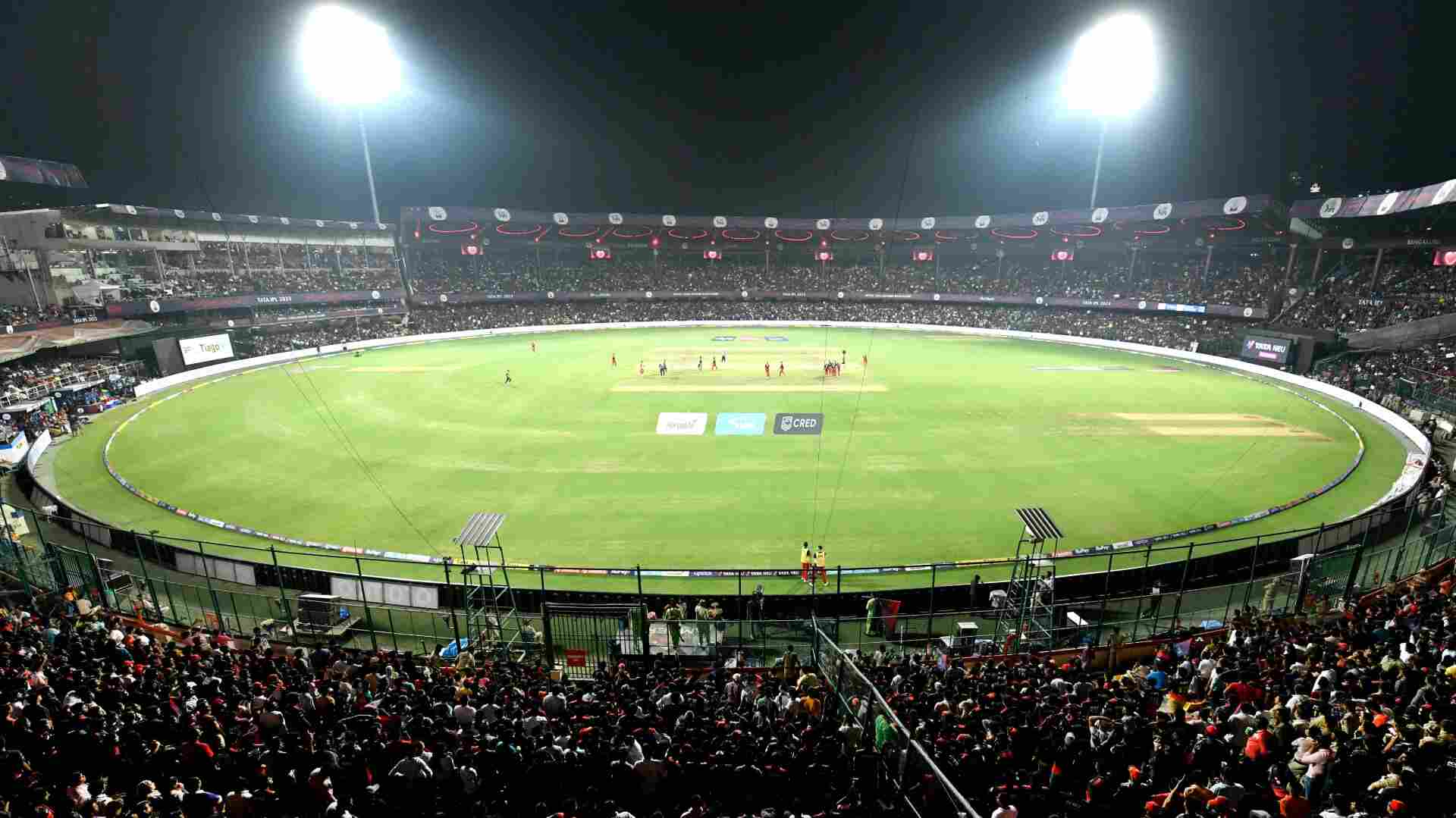
The iconic M Chinnaswamy Stadium, once the throbbing heart of Indian cricket, has seen quieter days in recent times. From hosting epic international clashes and IPL thrillers to lying in partial silence, the Bengaluru fortress has been in need of revitalisation.
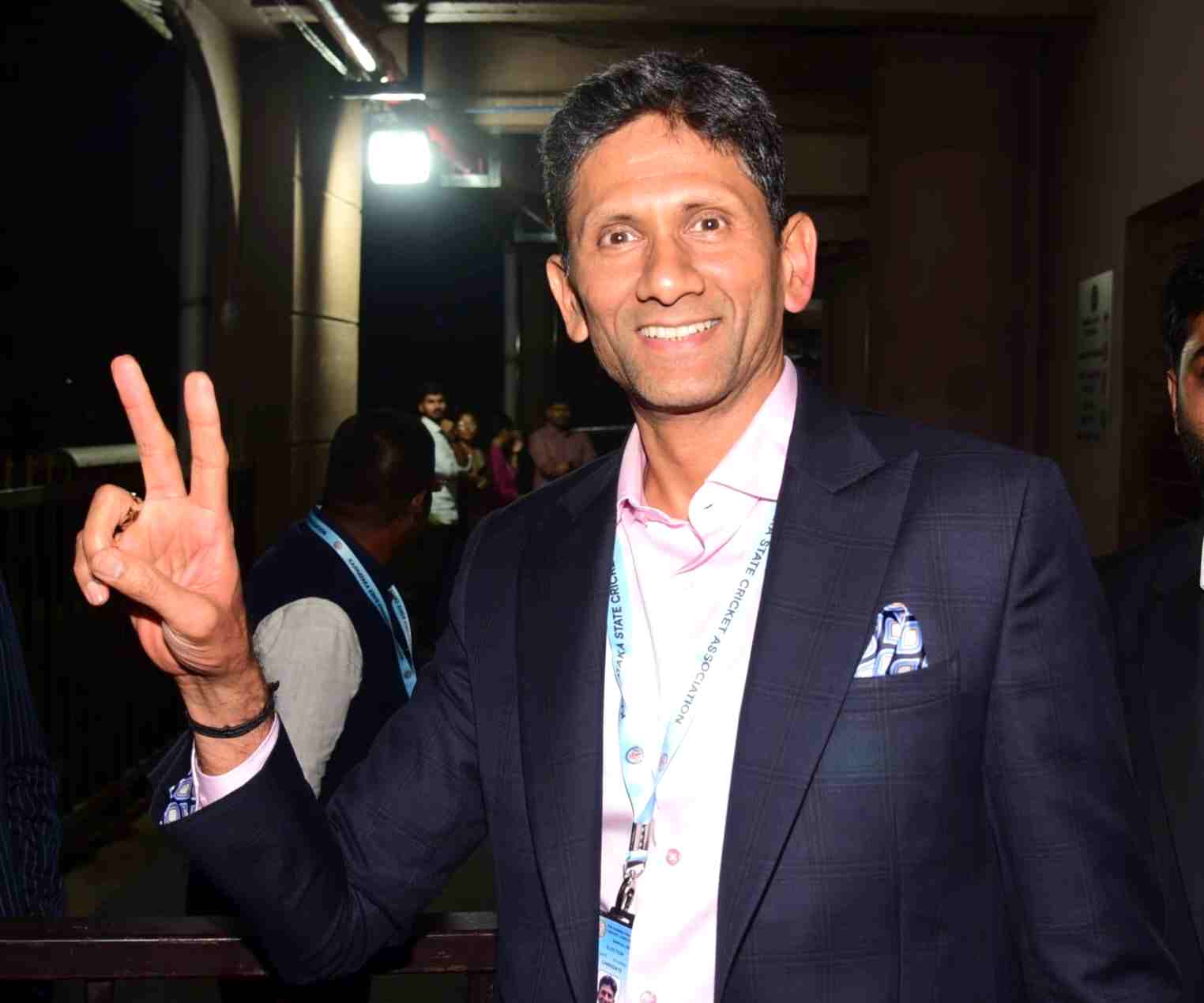
That task now falls squarely on the shoulders of former India fast bowler Venkatesh Prasad, the newly elected president of the Karnataka State Cricket Association (KSCA).
Prasad took charge following the KSCA Managing Committee polls, which were held on Sunday at the M Chinnaswamy Stadium. He earned a decisive mandate from the state’s cricketing fraternity. Backed by a group of former players and administrators committed to reform and revival, Prasad’s ascension marks a pivotal shift in Karnataka’s cricketing leadership.
This transition comes in the shadow of the June 2025 crowd crush outside Chinnaswamy during Royal Challengers Bengaluru’s IPL victory parade. The tragedy forced the previous KSCA regime into resignations and inquiries, and it reshaped how public and government alike view safety, planning, and competence in cricket administration in Karnataka.
Read More: Diageo communicates to SEBI about its decision to conduct ‘strategic review’ of investment in RCB
Bommasandra vs Chinnaswamy – Reality check
The political response to the stampede was swift and symbolic. Karnataka Chief Minister Siddaramaiah cleared an 80,000-seat stadium at Bommasandra, billed as India’s second-largest cricket ground after Ahmedabad’s Narendra Modi Stadium. The new complex, to be built by the Karnataka Housing Board, is positioned as a modern, multi-sport, multi-use facility expected to host major international cricket once completed.
In theory, Bommasandra is about growth and decentralisation. In practice, its conception right after a crowd disaster at Chinnaswamy looks like an indictment of the old venue and by extension, of the KSCA’s ability to manage high-demand events.
Restoring lost glory
Prasad has publicly emphasised that returning international cricket to Chinnaswamy is a top priority, echoing Bengaluru’s long-standing claim to being one of India’s premier venues. But the cold reality is that scheduling rights, safety clearances, and broadcast logistics now involve multiple stakeholders – BCCI, state government and law enforcement, many of whom still see the stadium through the lens of the stampede and its political fallout.
If Prasad wants Test matches and high-profile ODIs back, he will need more than nostalgia and ex-player goodwill. That means committing to hard, uncomfortable reforms, transparent safety audits, crowd-control protocols that do not bend under political pressure, and a willingness to cap numbers even when sentiment and optics demand a spectacle. Without that, all talk of “lost glory” risks becoming a hollow slogan.
Read More: Karnataka Housing Board to build new 80,000-seater cricket stadium in Bengaluru
Vijay Hazare ODIs can be smart soft launch
One of the more realistic immediate steps is using high-visibility domestic fixtures to reintroduce top-quality cricket at Chinnaswamy, such as Vijay Hazare Trophy ODIs or knockouts. The idea that a star like Virat Kohli, who remains synonymous with Bengaluru through RCB, could feature in such games adds obvious commercial and emotional appeal.
Yet a critical lens raises a few questions. Domestic ODIs with a Kohli hook might fill stands, but they also reproduce the same crowd-pressure dynamics that failed so disastrously during the RCB parade. If the stadium’s systems, ticketing discipline, entry-point management and emergency response, are not demonstrably upgraded, then using a domestic tournament as a test event becomes a risk rather than a solution.
The success or failure of such matches will quickly reveal whether Prasad’s administration is serious about structural reforms or simply banking on celebrities to reboot Chinnaswamy.
Hosting IPL in Chinnaswamy
On IPL, the new KSCA chief’s room to manoeuvre is narrower and more political. Chinnaswamy has traditionally been one of the league’s marquee venues and the spiritual home of RCB, but the stampede has made the brand’s association with the stadium complicated and sensitive.
With Bommasandra on the horizon and other cities aggressively lobbying for fixtures, Bengaluru can no longer take their IPL primacy for granted. Any talks about bringing back a full slate of RCB home games will require Prasad to negotiate between the franchise, BCCI, city authorities and a public still processing a preventable tragedy.
Read More: All about Mithun Manhas, the former Delhi cricketer elected as 37th BCCI President
Nurturing local talent
Where Prasad’s vision sounds most compelling is in rebuilding Karnataka’s talent ecosystem. The state’s record, from Rahul Dravid and Anil Kumble to Karun Nair, KL Rahul, and Devdutt Padikkal, shows it can consistently feed the national team with technically sound and temperamentally strong cricketers. Recent years, however, have seen a slowdown in the number of Karnataka players locking down long-term India spots, as other states and IPL systems catch up.
The critical question is whether KSCA under Prasad’s leadership will invest in the essential areas which include rural scouting, coaches’ education, sports science support and data-backed selection.
In the end, bringing top-flight cricket back to Chinnaswamy cannot be measured only in how quickly a Test, ODI, or IPL night appears on the calendar. It must be judged on whether the return of big matches coincides with a demonstrably safer, more transparent, and more equitable cricketing ecosystem in Karnataka.
Read More: Report card of Ajit Agarkar’s work as Chairman of the Senior Men’s Selection Committee

