
Why did Australia falter in T20 World Cup 2026? A look at selection issues, form dips, and inability to control key phases.
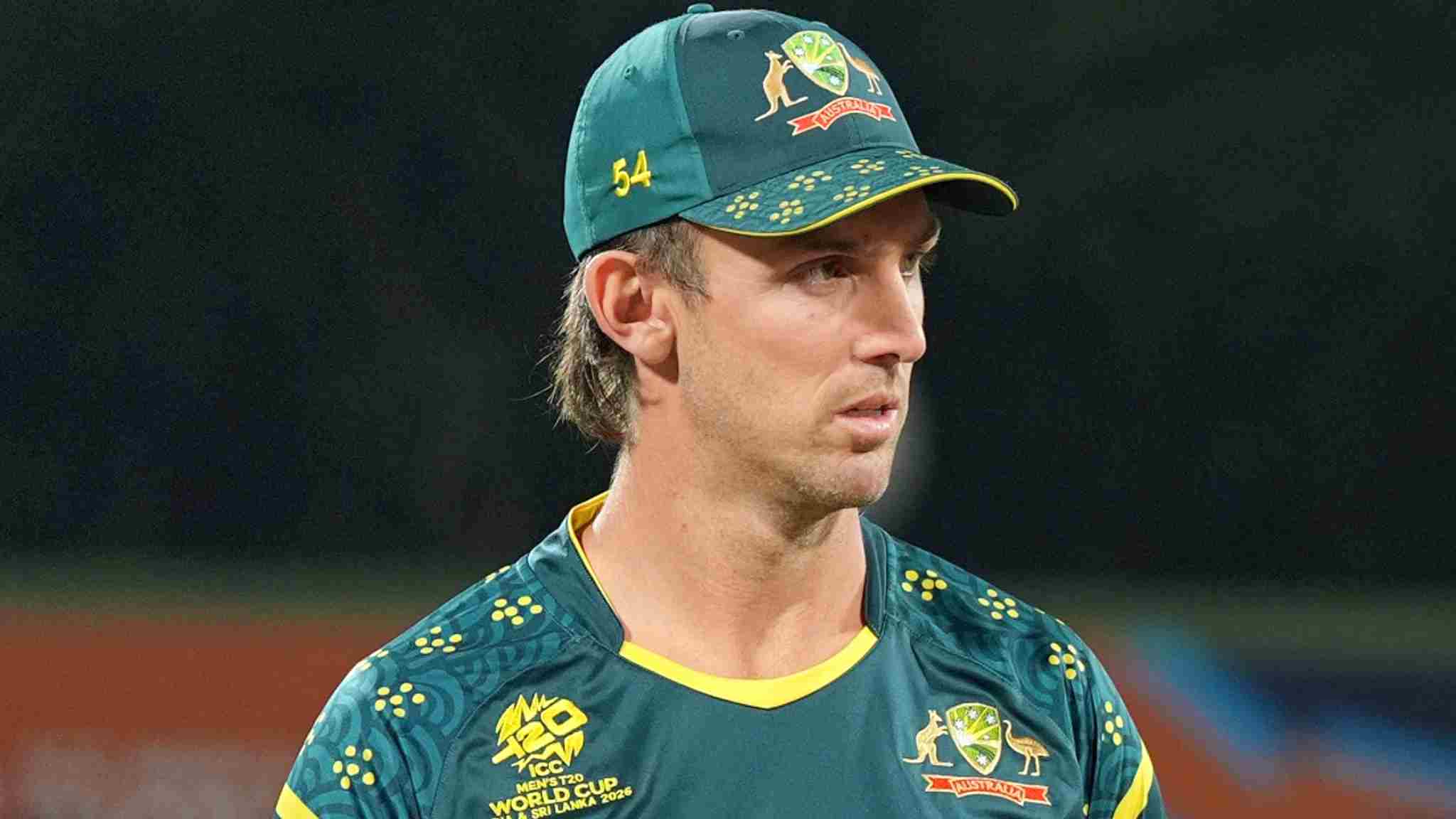
Australia suffered embarrassing defeats to Zimbabwe and Sri Lanka, crashing out of the 2026 T20 World Cup at the group stage. This marks only the second time they have failed to progress to the second round of the tournament. In fact, since lifting the 2021–22 title, Australia have missed the knockout stage in both subsequent editions.
Unlike the ODI World Cup, where they have won six of 13 titles, Australia have claimed the T20 World Cup just once in nine editions. Compared to their dominance in ODIs and Tests, they have consistently struggled to assert the same authority in the shortest format.
So, what went wrong for Australia in the ongoing World T20?
Injuries to key players
Australia’s bowling unit was badly hit by injuries to Pat Cummins and Josh Hazlewood, both of whom bring significant experience in subcontinental conditions through the IPL. Their absence left the pace attack toothless, making it difficult to contain strong batting sides like Sri Lanka and Zimbabwe. The situation worsened when captain Mitchell Marsh missed the first two matches due to injury, disrupting the team’s balance and leadership. Ultimately, Australia’s lack of planning was exposed, as they failed to line up quality replacements for the injury-prone Cummins and Hazlewood.
Read More: T20 World Cup 2026: Analysis of India’s three opponents in Super Eights stage
Pedestrian bowling lacked impact
Although Australia bowled out Ireland and Oman, they managed just four wickets combined against Sri Lanka and Zimbabwe. All their matches were played in Sri Lanka, and their pacers, short on subcontinental experience, were exposed, failing to take a single wicket against SL and Zim. Nathan Ellis, Ben Dwarshuis and Xavier Bartlett had a combined experience of 72 T20Is, yet even the most experienced among them, Ellis, had not bowled a single over in Sri Lanka before the tournament. This inexperience allowed SL and Zim to secure strong starts and build match-winning platforms. In fact, it was part-timers Marcus Stoinis and Cameron Green who claimed the only four wickets against those two sides.
Australia’s spin attack also faltered. Led by the experienced Adam Zampa, who has extensive IPL exposure, the unit failed to deliver when it mattered most. Zampa went wicketless against Sri Lanka and Zimbabwe, with his eight wickets coming solely against Ireland and Oman. Meanwhile, backup spinners Matthew Kuhnemann and Cooper Connolly were comfortably handled, as SL and Zim effectively neutralised Australia’s spin threat.
Batting woes
Losing their captain-opener, Mitchell Marsh, for the first two games has disjointed Australia, who have to tinker with their batting order. Hence, a middle-order batter, Josh Inglis, had to open with Travis Head, and they failed to give the team the good start that Marsh-Head consistently deliver. When Head-Marsh reunited from the third game, they posted opening stands of 104 and 93. Besides, playing Marcus Stoinis at No 7 was too low a spot for him to anchor the innings and set up Australia for a win.
The failure of the middle-order also came to haunt in the must-win game against Sri Lanka. After Head-Marsh posted 104 for the first wicket in 8.3 overs, the rest of the batting line-up could manage just 77 runs for 9 wickets in 11.3 overs. What looked like a 220-plus target, Australia managed just 181, which Sri Lanka overhauled with 8 wickets and 2 overs to spare.
Read More: T20 World Cup 2026: Difference between game flow in India & Sri Lanka
Captaincy woes
A captain missing the first two games due to injury posted a big setback for Australia. The team did not have a group of leaders to fall back on if the captain was not available. Marsh did lead from the front in the last two games, but the collective failure of the batting and bowling units in the whole tournament proved to be a death knell for Australia.
Way forward for Australia
Australia may be guilty of prioritising Tests, particularly the Ashes, and even ODIs over T20 cricket. However, a sporting powerhouse like Australia cannot afford to favour one format at the expense of another. It is time they developed a clear and long-term strategy for T20 cricket with the next World T20 in mind. That means grooming players specifically suited to the format, ensuring like-for-like replacements to cover injuries, and establishing a stable core leadership group to guide Australia’s T20 future.
Read More: T20 World Cup 2026: Architects of Zimbabwe’s win over Australia

