
Two T20 World Cup titles in two years underline India’s dominance — a look at why they are the undisputed giants of the format.
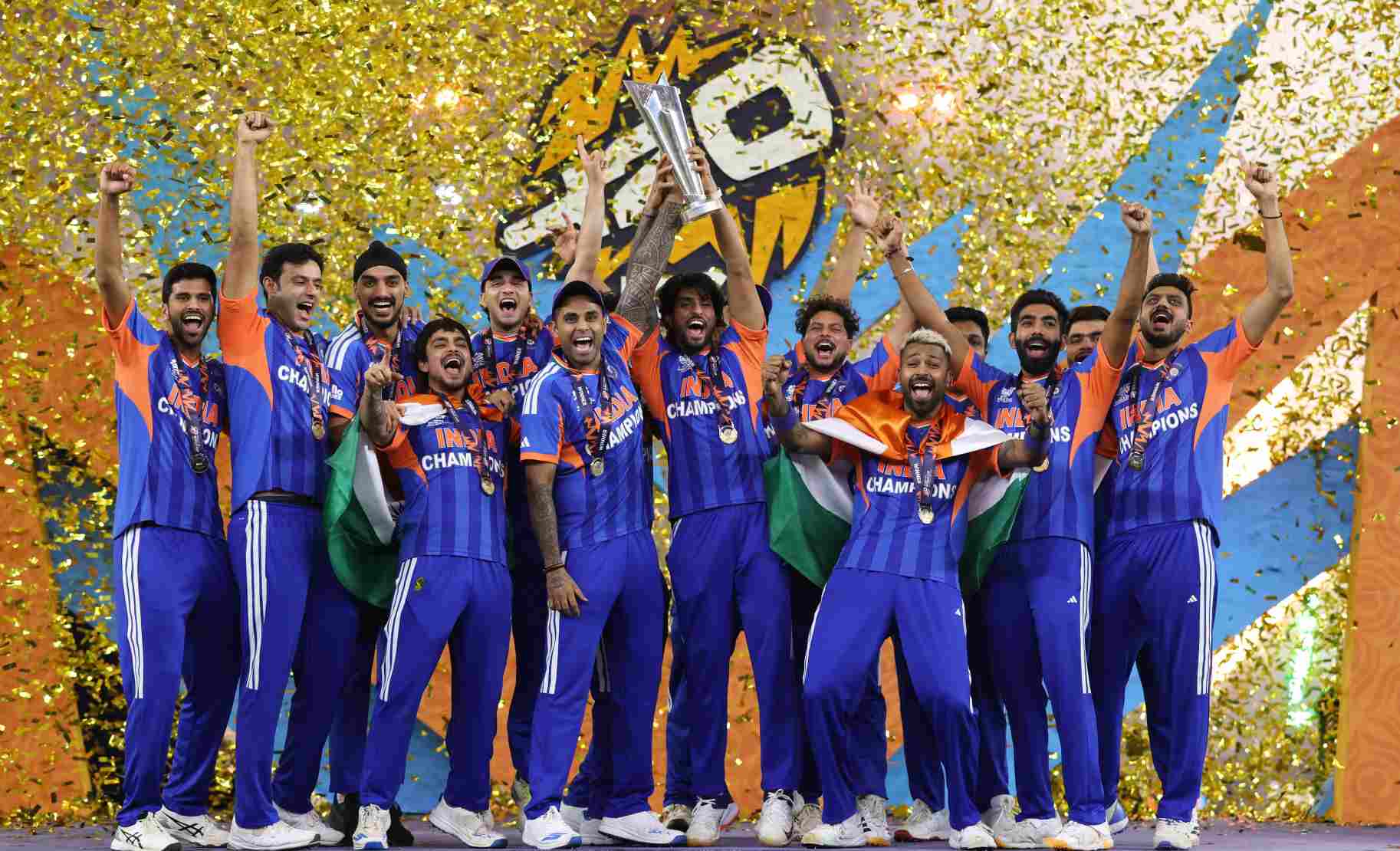
India’s final match against New Zealand ended in a historic triumph in the shortest format, as they successfully defended their 2024 T20 World Cup title in the 2026 edition, proving once again that they are the masters of the format. India became the first team to win back-to-back T20I World Cup titles and the first to win the trophy on home soil.
Such dominance has been built on an aggressive batting approach, exceptional squad depth, disciplined bowling, and, above all, strong leadership that brought all these elements together. The milestone India have achieved in modern cricket has cemented their status as an unstoppable force. From the openers setting the tone to the finishers delivering under pressure and the bowlers maintaining control, every department has consistently contributed to the team’s success, making India the undisputed champions of the shortest format.
Aggressive batting revolution
Following the struggles of the 2022 campaign, Rohit Sharma shifted India’s T20 approach, opting for aggressive starts backed by a deep batting line-up capable of sustaining that style of play. The top order took a ruthless approach against opposition bowlers, maximising run-scoring in the powerplay and immediately putting them under pressure. This attacking philosophy soon became the team’s identity, and when Suryakumar Yadav took over the reins, he carried forward the same fearless mindset.
| Player | Inns | Runs | SR |
| Ishan Kishan | 13 | 532 | 207 |
| Abhishek Sharma | 45 | 1438 | 190.46 |
| YBK Jaiswal | 8 | 293 | 172.35 |
| SV Samson | 33 | 1025 | 167.48 |
Fig 1: Strike rate of top order batters between 2024 and 2026
The top order moved away from the traditional anchoring role and instead chose to attack opposition bowlers from the outset, relying heavily on boundaries. While most teams have only one or two players with strike rates above 150, the numbers for India’s openers paint a completely different picture.
In a span of just three months, Ishan Kishan has maintained a strike rate of over 200, followed by Abhishek Sharma, who despite a difficult phase at the start of the World Cup, has recorded a strike rate close to 190. Sanju Samson and Yashasvi Jaiswal, all striking at over 160, have consistently produced strong powerplay totals and helped India maintain momentum throughout the innings.
Read More: Gautam Gambhir a T20 Talisman – Taking India to newer heights in shortest format
Depth & finishing power
To sustain such aggressive starts, a team need a dependable middle order. India embraced that approach with confidence, knowing they possessed batting depth all the way down to the eighth wicket. The middle order proved not only reliable but also remarkably consistent, ensuring that the momentum created by the openers was maintained throughout the innings.
| Player | Inns | Runs | SR |
| S Dube | 35 | 815 | 159.8 |
| HH Pandya | 38 | 940 | 155.62 |
| JM Sharma | 7 | 93 | 152.45 |
| R Parag | 6 | 106 | 151.42 |
| SA Yadav | 32 | 746 | 145.41 |
| RK Singh | 25 | 403 | 142.9 |
| NT Tilak Varma | 19 | 525 | 140.37 |
Fig 2: Strike rate of middle order batters between 2024 and 2026
India’s remarkable batting depth has given the openers the freedom to attack while ensuring that momentum can be sustained deep into the innings. With batting resources extending until the eighth wicket, the middle order has played a crucial role in maintaining the tempo. Most of the middle-order batters operate with strike rates between 140 and 160, a key factor behind India’s rise as a dominant T20 side.
Shivam Dube has emerged as one of the most reliable middle-order batters, boasting a strike rate of 159.8. He is followed by Hardik Pandya, a finisher no opposition wants to face during the decisive 15–20 overs of an innings. Meanwhile, players such as Jitesh Sharma, Riyan Parag, Rinku Singh, and Tilak Varma all maintain strike rates above 140. Despite their impact, their contributions often go unnoticed; they remain the unsung heroes who quietly play their roles without seeking the spotlight.
Wickets & control
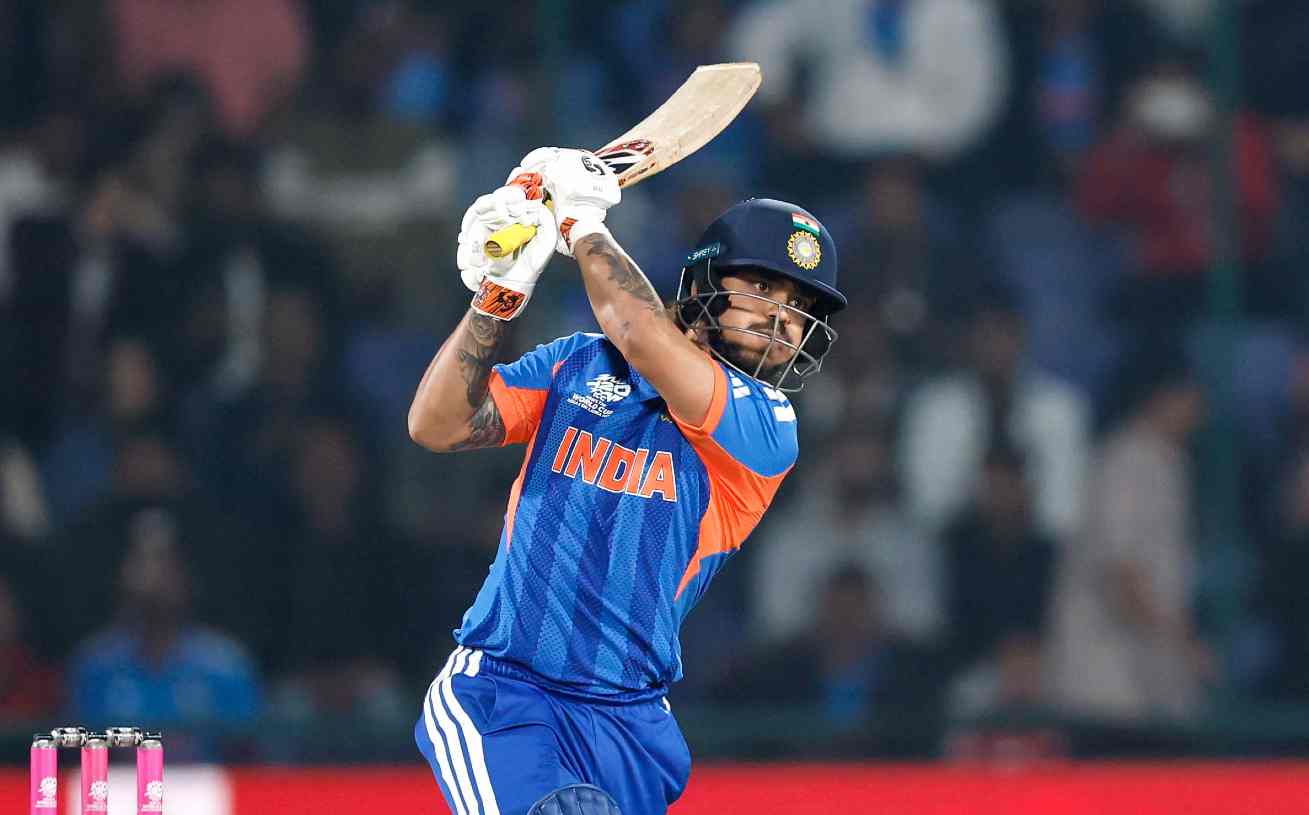
While batting takes all the spotlight in this format, bowling is often overlooked, but India’s bowling attack has contributed equally to the team’s mastery of the format. India’s bowling attack has been built to control the runs and break partnerships at crucial stages of the game.
| Player | Inns | Wkts | Econ |
| CV Varun | 37 | 71 | 7.83 |
| Arshdeep Singh | 41 | 68 | 8.36 |
| AR Patel | 40 | 52 | 7.42 |
| JJ Bumrah | 31 | 47 | 6.43 |
| HH Pandya | 44 | 41 | 8.65 |
| Kuldeep Yadav | 19 | 37 | 7.48 |
| Ravi Bishnoi | 23 | 30 | 7.65 |
| S Dube | 26 | 25 | 9.75 |
| Washington Sundar | 18 | 20 | 6.49 |
Fig 3: Economy rate of India bowlers between 2024 and 2026
Between 2024 and 2026, Arshdeep Singh and Jasprit Bumrah have been successful against the opposition in powerplay. Arshdeep has taken 68 wickets, and Bumrah has controlled the bowling attack with an economy of 6.43. Varun Chakraborty, with 71 wickets, has played a crucial role in the mid overs and been a key player in breaking partnerships and turning the tables in favour of the team.
Shivam Dube, Hardik Pandya, and Axar Patel have been the supporting bowlers for the strong bowling attack. India have a blend of pace and spin to control the game, and all-rounders like Hardik Pandya and Shivam Dube have been versatile, continuing to contribute to the team in both batting and bowling. Their adaptability in this format has kept the balance in the team.
Read More: Statistical Highlights of India’s victorious T20 World Cup 2026 campaign
Dominant win percentage with winning mentality
With an aggressive batting approach and disciplined, controlled bowling over the past two years, India have dominated the T20 format. They clinched both the 2024 and 2026 T20 World Cups and, remarkably, did not lose a single bilateral series during this period.
| Mat | Won | Lost | Tied/NR |
| 52 | 40 | 8 | 4 |
Fig 4: Indian team’s performance under Suryakumar Yadav’s captaincy (2024-2026)
India have played 52 matches under Suryakumar Yadav’s captaincy, winning 40 of them; clear evidence of why the team stands as the undisputed giant of T20 cricket. With Gautam Gambhir as head coach and Suryakumar Yadav leading the side, the team have developed a mentality focused solely on winning.
Gambhir’s philosophy, that history only remembers the victors, has been deeply ingrained within the squad. He often highlights how people recall the winners of the 1992 World Cup but rarely remember the runners-up. This mindset helped the team navigate the pressure of the knockout stages, and the rest, as they say, is history.
Read More: T20 World Cup 2026 Final, IND vs NZ: India’s top 3 hand third world title to their team
Limitless domestic roster
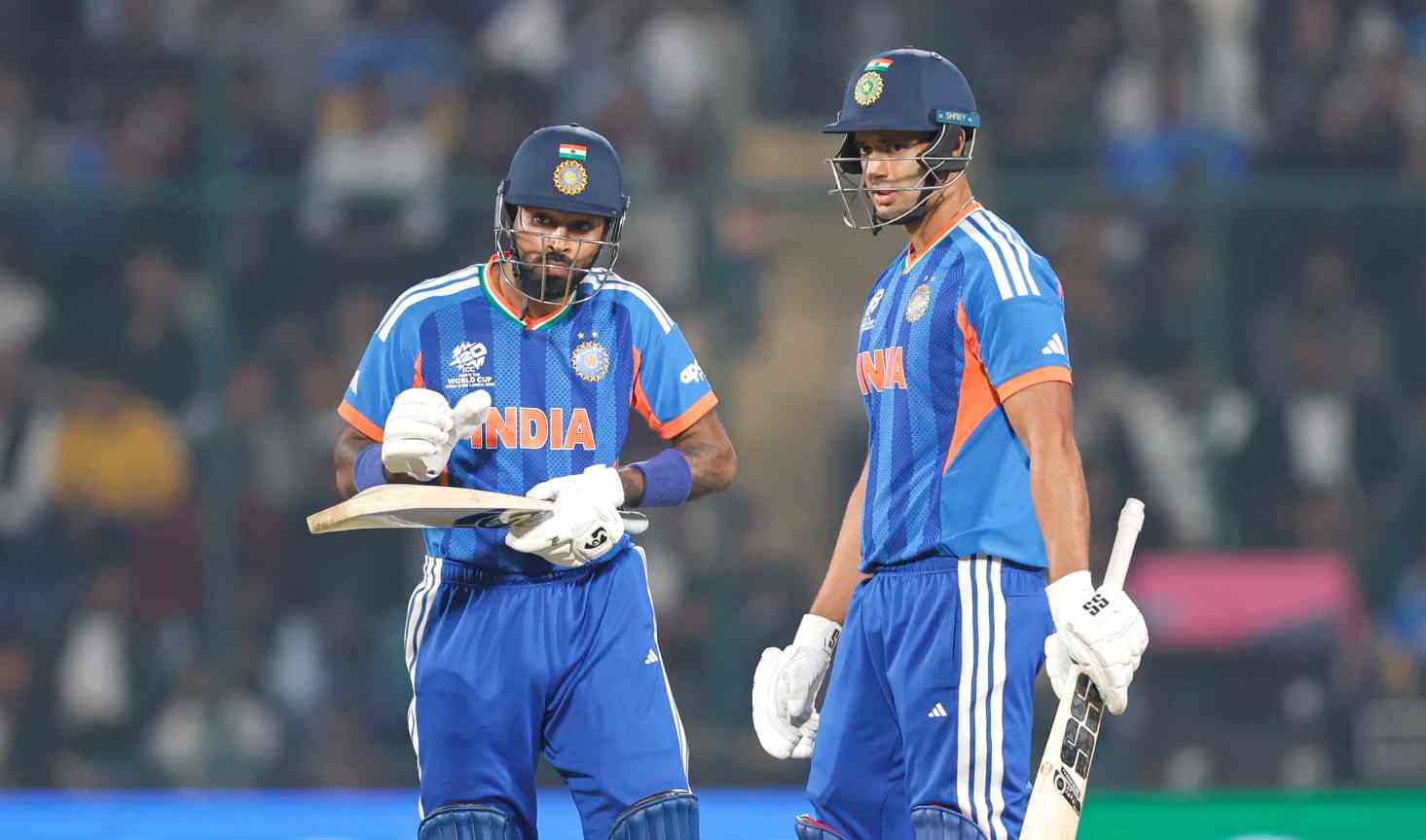
Another major advantage for the team has been the steady pipeline of players performing well in the IPL and domestic competitions, which has further strengthened India’s dominance in the format. Strong performances in tournaments like the IPL and the Syed Mushtaq Ali Trophy often earn players a place in the playing XI.
Abhishek Sharma, for instance, earned his call-up on the back of his impressive IPL performances. Similarly, Ishan Kishan and Varun Chakravarthy rediscovered their form in domestic leagues after being dropped from the national side. Chakravarthy went on to become the No. 1 T20 bowler, while Kishan returned to the squad as an impactful batter. The intense competition in domestic tournaments consistently produces players capable of handling high-pressure situations, giving the national team a significant advantage.
Blueprint for total dominance
Team India have evolved into a blueprint for dominance in T20 cricket. An aggressive batting approach, depth in the middle order, disciplined bowling, and strong leadership have combined to make India the master of the format. Their consecutive World Cup triumphs are not merely trophies; they reflect a team that has developed the ability to adapt and perform under any pressure, in any situation, and on any pitch.
This team is no longer dependent on just two or three individuals; it has become a true collective. With a blend of experience, youthful energy, and clear strategy, India now represent the model of a successful T20 side. Every internal and external factor has contributed to the stature the team enjoy today, from batting, bowling, and fielding to coaching and the domestic leagues that continue to fuel the national setup. If this system continues, India appear well positioned to dominate the T20 format for years to come.
Read More: Ishan Kishan’s comeback a life lesson for many – How he shifted perceptions with his bat

