
T20 World Cup 2026: What is going wrong for Pakistan after missing semifinals in four consecutive ICC tournaments?
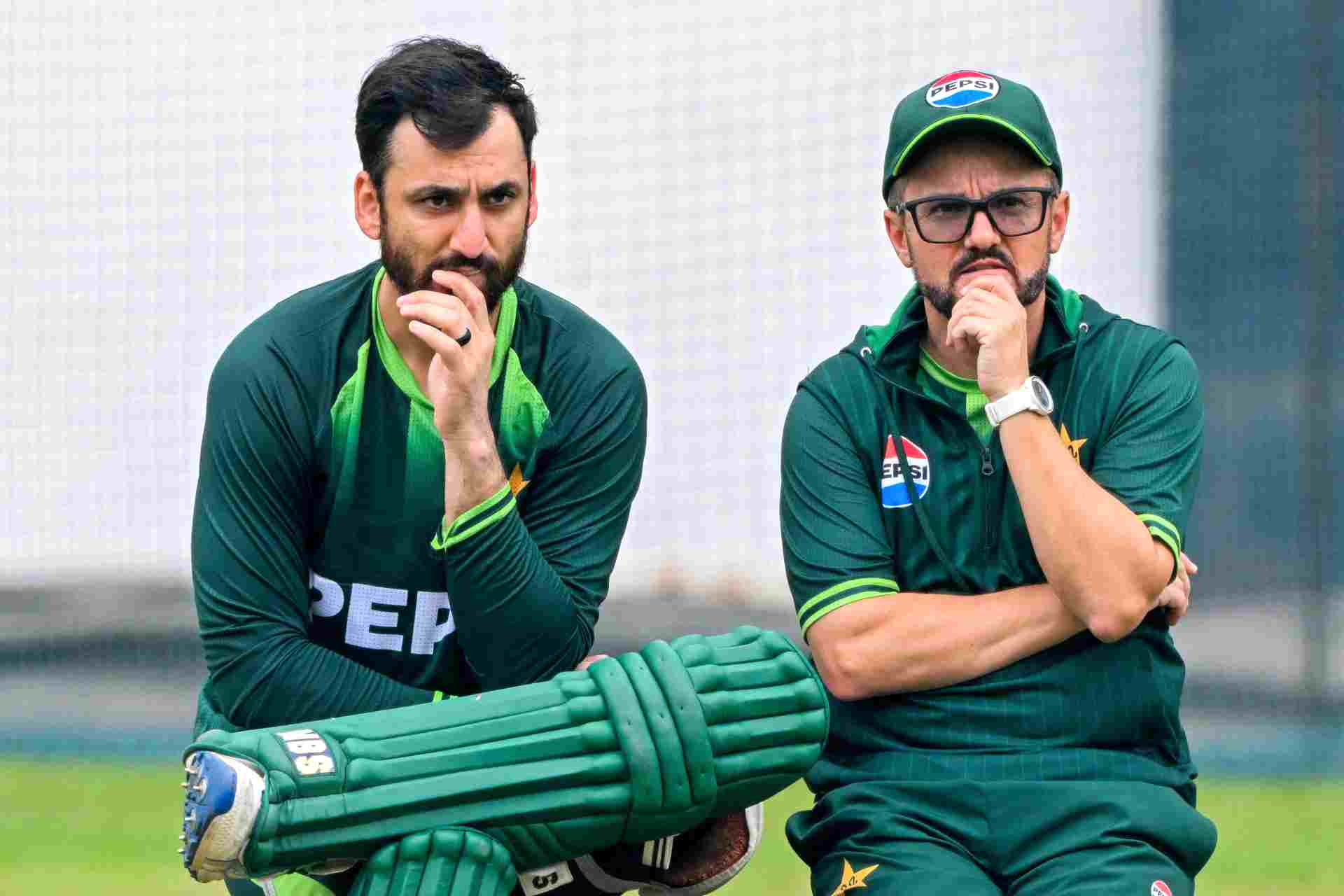
The Pakistan Cricket Team have plummeted to new lows. They were knocked out in the Super Eights of the 2026 T20 World Cup, failing to reach the semi-finals for the fourth successive ICC tournament. If that was not enough, each Pakistan player has reportedly been fined USD 18,000 by the cricket board for their underwhelming performance in the World T20.
What plagues Pakistan Cricket?
Inconsistent performances
A closer look at Pakistan’s campaign in the 2026 T20 World Cup highlights their unpredictability, inconsistency, and inability to seize key moments.
With a semi-final spot at stake, Pakistan produced their best batting display against Sri Lanka, posting 212/8. However, after racing to 176 in 16 overs, they managed only 36 runs in the final four overs, eventually falling 20–30 runs short of what looked a match-winning total.
Earlier, in their opening game against the Netherlands, Pakistan struggled to chase down a modest target of 148 after slumping to 114/7 in the 17th over. It took an unbeaten 29 off 11 balls from Faheem Ashraf to help them narrowly avoid a major upset.
Their worst outing came against India, where a questionable decision to field first backfired. Chasing 176, Pakistan were bowled out for just 114, losing by 61 runs. This topsy-turvy run from their batting unit did little to inspire confidence.
Nor is this a one-off tournament where Pakistan have failed to string together consistent batting performances. In the 2025 ICC Champions Trophy, their batting faltered at home in Karachi, failing to cross 260 against New Zealand, before being bowled out for 241 against India on a good batting surface in Dubai.
Similarly, in the 2024 T20 World Cup, Pakistan surrendered a winning position to lose to India by six runs. In the same tournament, the USA stunned Pakistan by batting them out in a Super Over.
Read More: India vs Pakistan obsession in ICC tournaments must go; random draw may produce better cricket
No fixed core, constant batting reshuffles, poor team selection
Several questions were raised over Pakistan’s squad selection for the 2026 T20 World Cup. Babar Azam, whose style of play has often been debated in the context of T20 cricket, was handed the crucial No. 4 role. He finished the campaign with 91 runs from four matches at an average of 22.75 and a strike rate of 112.34, before being dropped for the game against Sri Lanka.
It is worth recalling that Babar Azam and Mohammad Rizwan had earlier been moved out of the T20 setup as openers due to concerns over their strike rates not matching the format’s evolving demands. However, with Pakistan struggling to find a reliable middle-order option, the former captain was recalled to stabilise the batting unit, a move that ultimately failed to deliver the desired results.
Pakistan also drafted Fakhar Zaman into the playing XI late in the tournament. Restored to his preferred opening slot in the must-win clash against Sri Lanka, Zaman, alongside Sahibzada Farhan, stitched together a record 176-run opening partnership – the highest in T20 World Cup history. The performance inevitably sparked “what if” questions: had Zaman and Farhan opened from the start of the tournament, Pakistan’s fortunes might have unfolded differently.
The bowling unit was equally inconsistent, with frequent chopping and changing. For instance, the experienced Shaheen Shah Afridi was dropped for the Namibia game following a tough outing against India, where he conceded 31 runs in two overs. Against Sri Lanka, Afridi nearly cost Pakistan the match by bowling in the slot to Dasun Shanaka in the final over, before redeeming himself with clever wide, full deliveries to swing the game back.
This pattern has come to define Pakistan’s ICC campaigns: constant tactical reshuffles that often dent player confidence. When one poor performance can lead to exclusion, insecurity creeps in. If it can happen to Afridi, it can happen to anyone in the setup.
Beyond selection issues, the deeper concerns lie in planning and clarity. Pakistan have struggled to build and back a settled core for ICC events. Players are dropped after one or two failures as panic sets in. There appears to be limited foresight in developing a strong reserve bench to foster healthy competition, and a lack of clearly defined roles continues to hinder the team’s progress.
Read More: T20 World Cup 2026: Aiden Markram has led with example to take SA to the semi-final stage
Politics in cricket?
It is unfortunate that Pakistan cricket continues to be overshadowed by politics, both inside and outside the dressing room. Within the camp, the captaincy often resembles a game of musical chairs, with leadership changing hands among a select few without clear long-term reasoning. Such instability inevitably breeds insecurity within the group.
The Pakistan Cricket Board has hardly helped matters by imposing fines on players for their disappointing campaign in the 2026 T20 World Cup. Rather than outlining concrete, long-term plans to strengthen cricketing infrastructure, nurture emerging talent, and provide a structured pathway for growth, with a focus on improving skills, temperament and technique, the board has instead placed the burden of failure on the players.
This sets a worrying precedent. Measures like these risk demotivating players from representing the country. It may not be long before Pakistani cricketers are tempted by the financial security and stability offered by domestic T20 leagues around the world, opting for premature international retirements – a path already taken by several West Indies players in recent years.
Read More: Zimbabwe may be eliminated from T20 WC 2026, but Brian Bennett & Muzarabani have made a statement

