
The India vs Pakistan match in Colombo is back on as Pakistan withdraws its boycott ahead of the T20 World Cup 2026.
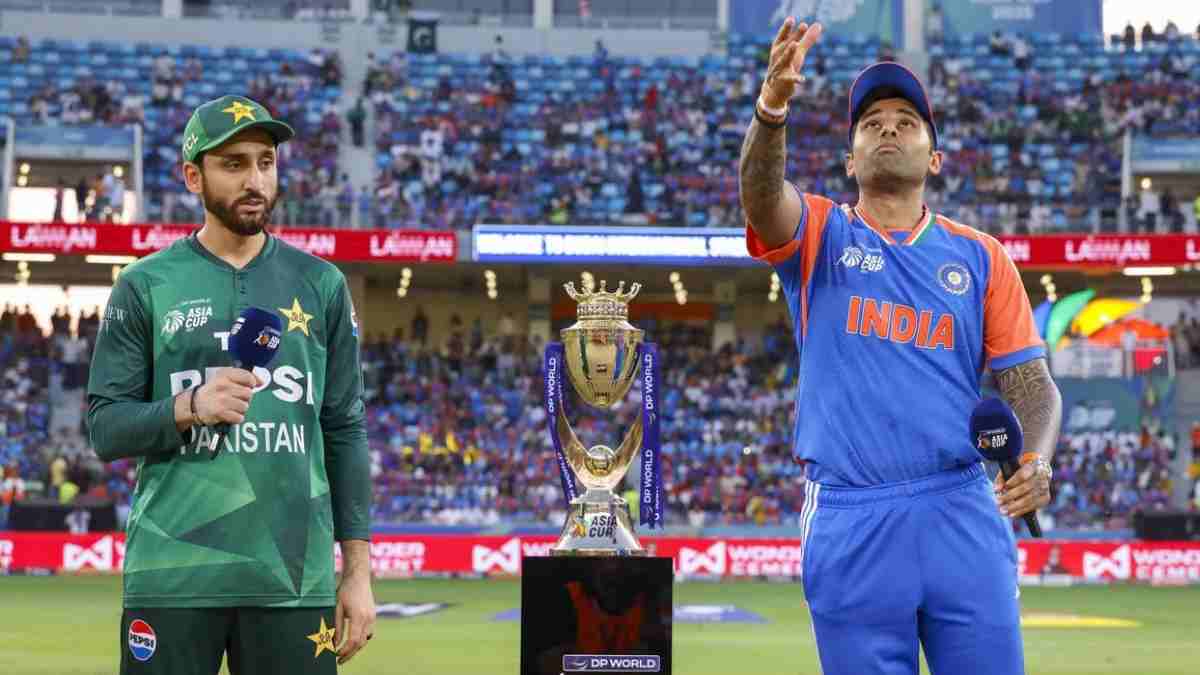
Pakistan have withdrawn their boycott of the high-profile group-stage match against India at the ICC Men’s T20 World Cup 2026, scheduled for February 15 in Colombo, Sri Lanka. This reversal follows intense negotiations involving the International Cricket Council (ICC), Pakistan Cricket Board (PCB), and Bangladesh Cricket Board (BCB), averting a major crisis just days before the fixture.
The Pakistan government issued a directive ordering its national team to participate in the match, citing multilateral discussions and requests from friendly nations like Sri Lanka. The ICC confirmed the development, praising the “constructive” dialogue and committing to the tournament’s success without penalties for involved parties.
This came after PCB chairman Mohsin Naqvi hinted at a decision within 24-48 hours, coinciding with the ICC’s announcement of no sanctions on BCB and granting them hosting rights for a future event (2028-2031 cycle). BCB chairman Aminul Islam thanked PCB for support and urged Pakistan to play India.
Read More: ICC replaces Bangladesh with Scotland at Men’s T20 World Cup 2026
Sequence of events
The saga traces back to escalating India-Bangladesh tensions spilling into cricket logistics for the T20 World Cup, co-hosted by India and Sri Lanka.
- January 3: BCCI releases Bangladesh’s Mustafizur Rahman from Kolkata Knight Riders amid reports of minority atrocities in Bangladesh.
- January 6: Bangladesh bans IPL broadcasts, citing security risks for players.
- January 12: BCB requests ICC to shift its World Cup matches from India to Sri Lanka via a hybrid model.
- January 21: ICC board votes 14-2 against relocation (only Pakistan and BCB oppose); independent security review clears India.
- January 22: Bangladesh resolves not to travel to India.
- January 24: ICC replaces Bangladesh with Scotland in Group C; Naqvi flags PCB’s participation pending government nod.
- January 26: Naqvi briefs PM Shehbaz Sharif; decision deferred.
- Early February: Pakistan government approves team participation but boycotts India match on February 1, invoking solidarity with BCB and alleging ICC “double standards.”
- February 5-7: PCB approaches ICC, sets conditions; ICC warns of sanctions like fines, points loss, or suspension; BCB chairman visits Lahore.
- February 7-8: ICC officials meet Naqvi, BCB’s Aminul Islam in Lahore; PM Sharif speaks with Sri Lanka President.
- February 9: Pakistan government and ICC announce reversal nearly simultaneously.
This timeline highlights how Bangladesh’s ouster triggered Pakistan’s protest, escalating into a diplomatic standoff.
Key players and negotiations
Central figures included PCB’s Mohsin Naqvi, who criticised ICC bias; BCB’s Aminul Islam, who travelled for talks; and ICC director Imran Khawaja. Back-channel communications intensified post-boycott announcement, with ICC emphasising event integrity and fan interests.
The reasons for doubts over the marquee fixture and the eventual clearing of the air may be largely political, but the economic nature of the match cannot be ignored.
Read More: With T20I cricket being part of Olympics in LA28, shouldn’t T20 WC be spaced out over 4 years?
What’s next
The India-Pakistan clash proceeds as planned on February 15 at Colombo’s R. Premadasa Stadium, a Group match billed as the tournament’s commercial highlight. Both teams, in competitive groups, eye Super 8 progression – India as co-hosts with a dominant rivalry record, Pakistan aiming to uphold ‘cricket’s spirit’, as said by their cricket board.
Broader implications
This resolution safeguards the T20 World Cup’s sanctity, preventing financial fallout for broadcasters and hosts. The India vs Pakistan match brings with it sold-out stadiums, sales of corporate boxes, merchandise and in-stadium advertisements.
Direct and indirect losses to the local economy in Colombo prompted Sri Lanka Cricket (SLC) to write to the PCB to reconsider their position.
Read More: Despite ICC greenlighting security situation, BCB firm on not sending Bangladesh to India for T20 WC

