
T20 World Cup 2026: Why has India’s batting lineup failed to fire collectively apart from the Zimbabwe match?
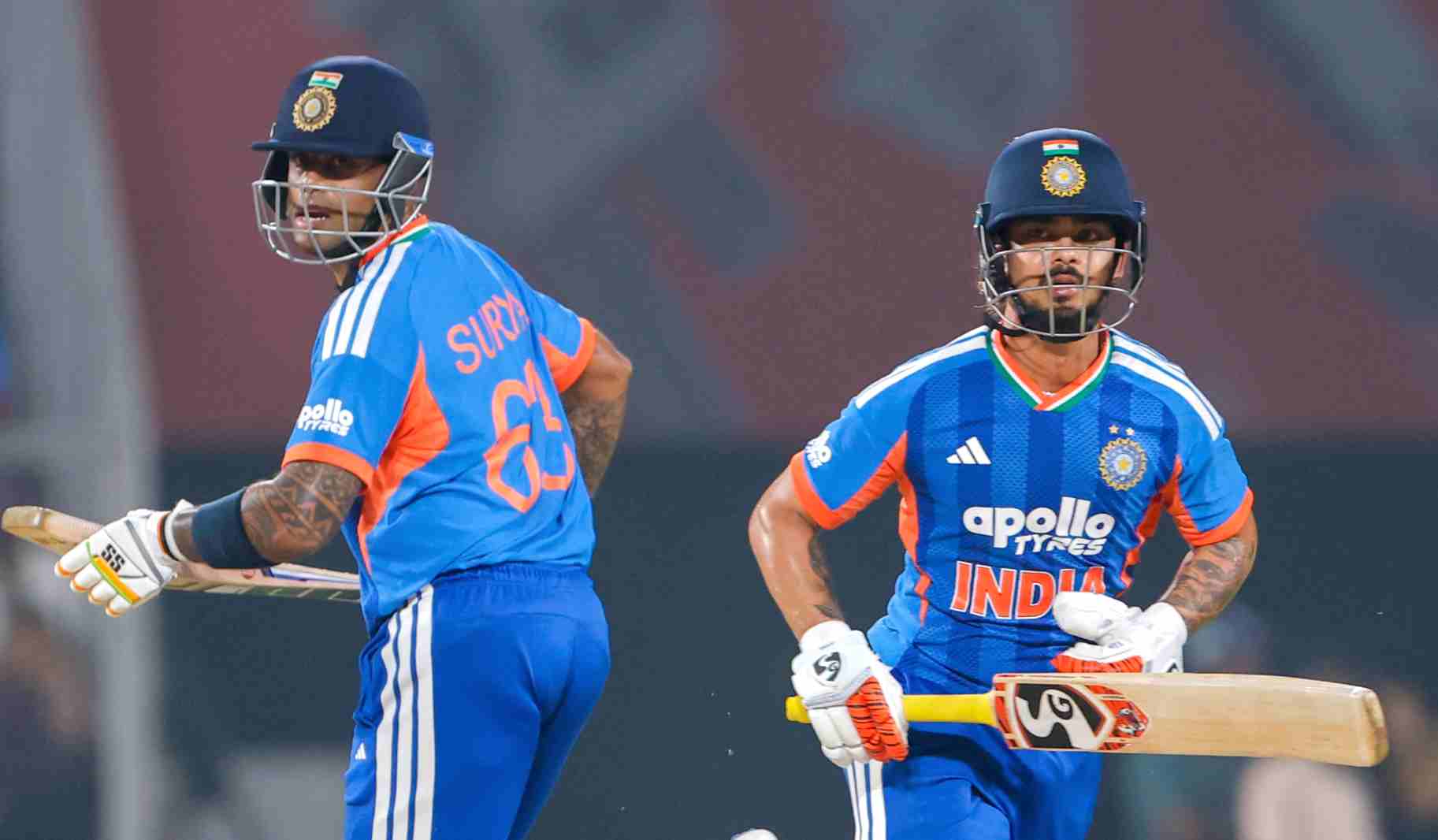
Team India have booked their place in the semi-finals of the ICC T20 World Cup 2026 – for the third consecutive time – with a stunning victory over West Indies on Sunday. The record-breaking chase will give the side immense confidence ahead of their semi-final clash against England.
However, the same team have also shown signs of vulnerability. Since the start of the tournament, no Indian batter has managed to deliver consistently in every match. Players such as Abhishek Sharma, Ishan Kishan, Suryakumar Yadav, and Tilak Varma have struggled to convert starts into substantial scores in the lead-up to the semi-finals.
Several cricket experts have raised concerns about India’s batting ahead of the clash against England. Although India have not lost a T20I at Wankhede Stadium since losing to West Indies in the 2016 World T20 semi-final, the current batting inconsistencies remain a talking point. Amid these concerns, let’s take a closer look at why India’s batting lineup has failed to click collectively.
Inconsistency in Opening
Team India entered the T20 World Cup 2026 with one of the strongest batting line-ups among all participating nations. With home advantage and dominant performances in almost every bilateral series, the hosts were viewed as favourites to post even 300-plus totals during the tournament.
The recent numbers supported that belief. From October 2023 to January 31, 2026, India registered 22 totals of 200 or more in T20Is. Based on these performances, many expected the batting unit to dominate the World Cup from the very beginning. However, the scenario changed dramatically once the tournament began.
Against USA, Abhishek Sharma was dismissed for a duck, while Ishan Kishan managed just 20 runs at a strike rate of 125. Abhishek fell in the second over, and Ishan departed in the sixth. In the following match against Namibia, Ishan scored 61, but the other batters, except Hardik Pandya, struggled to make an impact. Against Pakistan, Abhishek failed again, though Ishan played a fine knock of 77. Expectations were high, especially after Abhishek’s 74 against Pakistan in the Asia Cup 2025 Super Four clash, but he was unable to replicate that form.
The struggles continued. Against Netherlands, both openers failed, and in the Super Eight clash versus South Africa, Ishan was dismissed for a duck while Abhishek managed only 15. Even in the crucial match against West Indies, Abhishek could score just 10.
These numbers clearly underline how inconsistency at the top has weakened India’s batting foundation. Frequent early wickets have disrupted momentum and placed unnecessary pressure on the middle order.
Read More: T20 World Cup 2026: Key battles to watch out for in India vs England semi-final
Middle-Order drama
If the inconsistency at the top was one concern, the bigger issue has been India’s middle order. The numbers clearly indicate that their performances have not matched expectations throughout the tournament. One of India’s most promising batters, Tilak Varma, has faced serious questions regarding his role in the lineup. Apart from Tilak, captain Suryakumar Yadav, Shivam Dube, Rinku Singh, and Hardik Pandya have also struggled to deliver consistently.
In the opening match against USA, the middle order collapsed. Tilak scored 25, Dube 0, Rinku 6, and Hardik 5, with only Suryakumar showing some resistance. Against Namibia, Hardik (52) stood out alongside Ishan Kishan, but the rest of the middle order disappointed again: Tilak (25), Suryakumar (12), Dube (23), and Rinku (1). The trend continued against Pakistan, where Tilak (25), Suryakumar (32), Hardik (0), Dube (27), and Rinku (11) failed to push India past the 200-run mark. In the match against Netherlands, only Dube impressed with 66, while the other middle-order batters could not cross 40.
The real concern was exposed in the Super Eight clash against South Africa in Ahmedabad. Chasing 187, only Dube managed 42, while Tilak (1), Suryakumar (18), Sundar (11), Hardik (18), and Rinku (0) failed to handle the pressure. Even in the recent match against West Indies, when India needed stability, the middle order could not step up. Ishan (10), Suryakumar (18), and Hardik (17) failed to build a substantial partnership.
These repeated failures raise serious questions about India’s ability to handle pressure in high-stakes encounters. The lack of consistency in the middle order has dented the team’s reputation as an aggressive and fearless batting unit.
Read More: T20 WC 2026: Will Samson overcome the short/hard length conundrum against England in Wankhede SF?
Individual brilliance over partnership-building
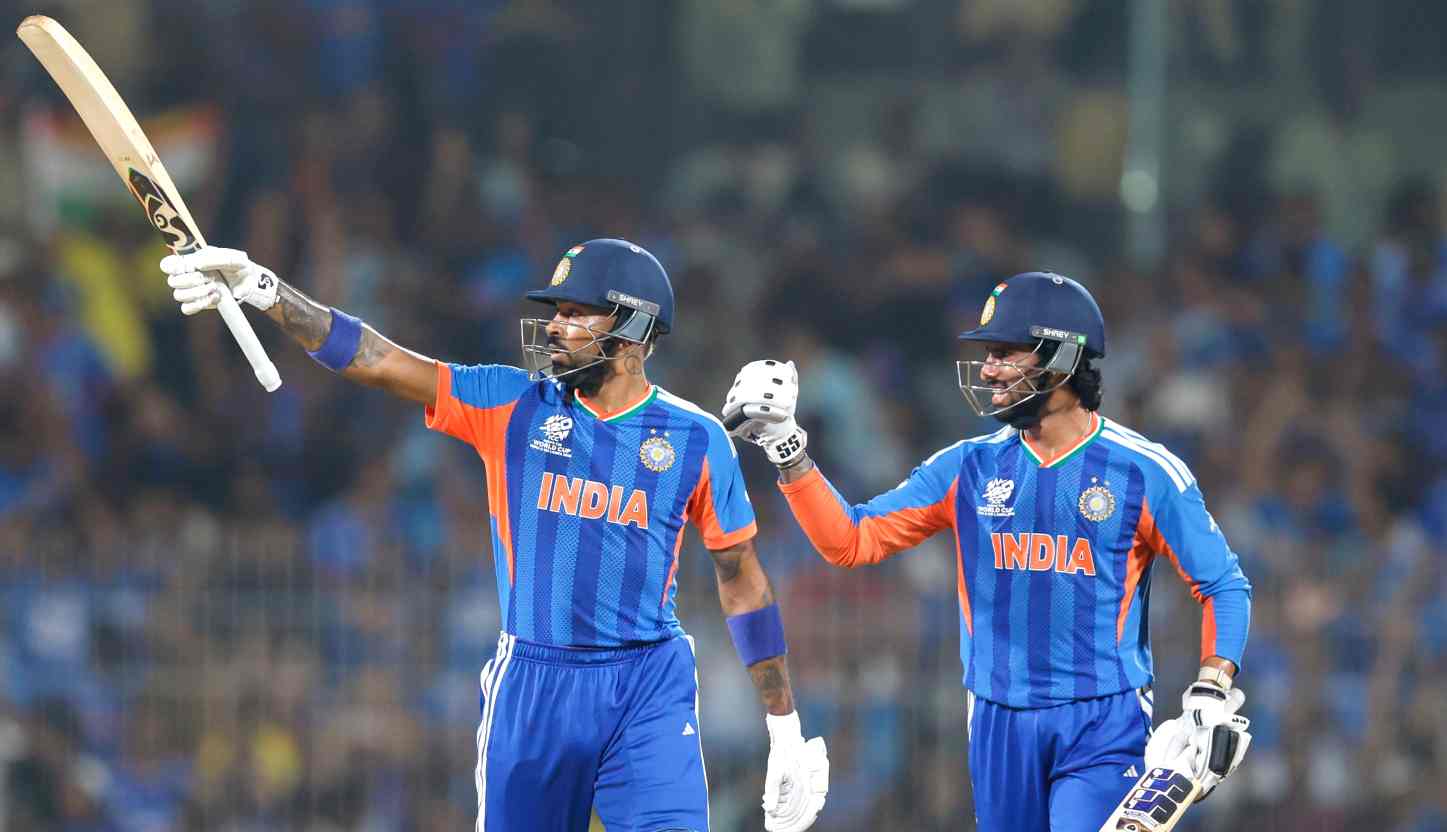
In a major tournament like the World Cup, strong partnerships often determine the outcome of a match. In the past, players such as Virat Kohli, MS Dhoni, Yuvraj Singh, Rohit Sharma, and Suresh Raina proved in the shortest format that partnerships are the backbone of successful chases and imposing totals. However, Team India have struggled in this area during the T20 World Cup 2026.
The biggest example came in the Super Eight “do-or-die” clash against West Indies in Kolkata. In that match, Sanju Samson played a brilliant knock at one end but needed solid support from the other to carry the innings through to the finish. Unfortunately, the other India batters failed to build a substantial partnership with him.
A similar situation unfolded in the Super 8 game against South Africa. Shivam Dube attempted to anchor the innings but did not receive the backing he required from the rest of the batting unit. As a result, India lost momentum and eventually the match. These repeated setbacks suggest that India’s batting has often resembled a one-man effort—when one batter stands firm, the team stays afloat, but once that key player falls, the remaining wickets tend to tumble quickly.
In the match against West Indies, had Sanju been dismissed soon after reaching his fifty, the game could easily have swung in the opposition’s favour. The other batters were not scoring at a brisk strike rate, and the pressure was clearly visible. This lack of meaningful partnerships and over-reliance on one player has emerged as a major concern for India in crucial matches.
Conclusion
Despite concerns over their top-order frailties, India remain one of the most dangerous sides in T20 cricket. Yes, they were convincingly beaten by South Africa and given an early scare by USA, but their commanding 256/4 against Zimbabwe in the penultimate Super Eight match sent a strong message to the rest of the teams. Notably, they hammered 69 runs in the final four overs of that innings—an area that is rapidly emerging as a key strength.
Following the win against West Indies, Suryakumar Yadav praised Sanju Samson in the post-match press conference, stating, “Good things happen to good people.” Team India will be hoping that the same belief carries into the high-stakes clashes ahead and that good things await the defending champions in the business-end of the T20 World Cup 2026.
Read More: T20 World Cup 2026: As the business end beckons, have SA pipped India as top favourites?

