
Shubman Gill highlights preparation gaps in Tests and urges a 15-day pre-series camp for improved consistency and match readiness.
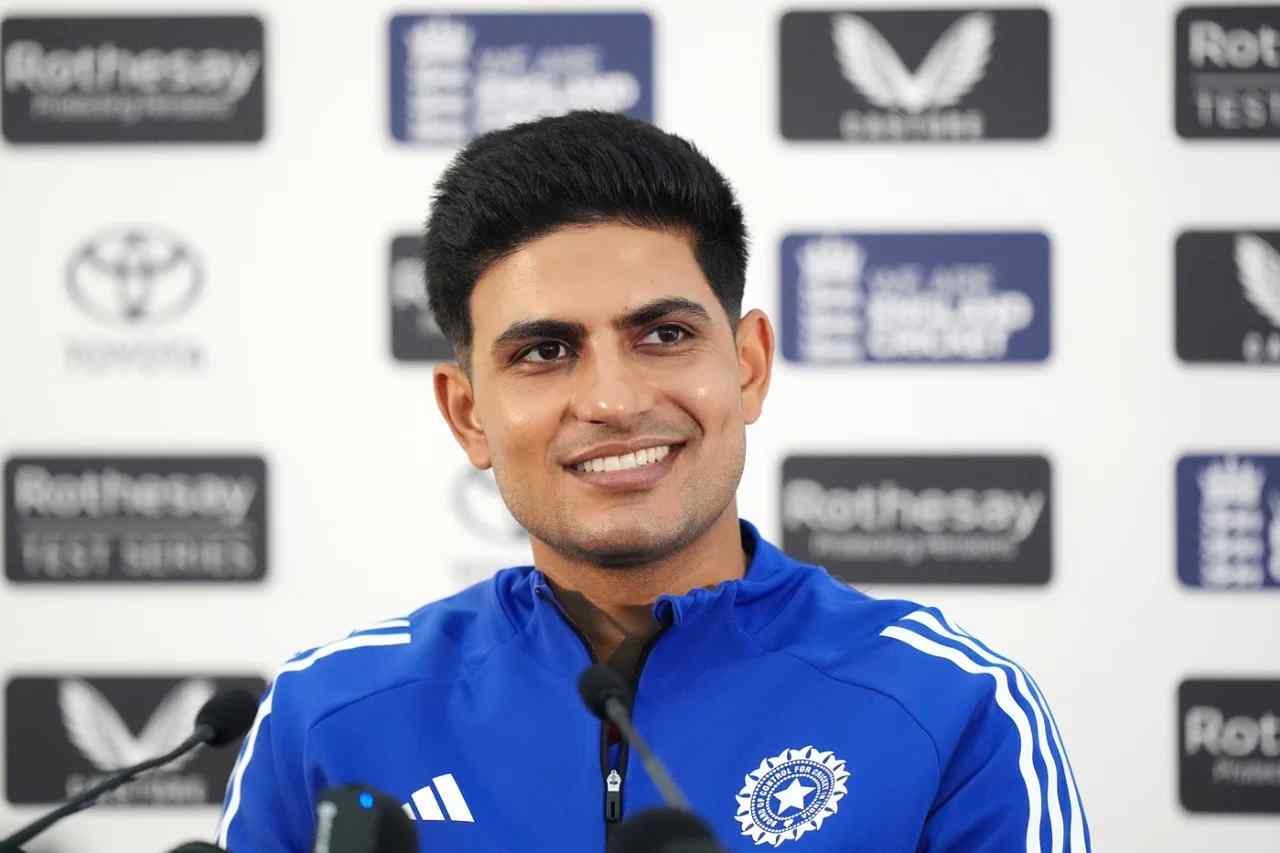
In the wake of Team India’s 0-2 home series defeat against South Africa, Test captain Shubman Gill has reportedly urged the BCCI to introduce mandatory 15-day red-ball preparatory camps before every Test series.
The 26-year-old opener, entrusted with the leadership mantle after Rohit Sharma’s Test retirement, believes such camps are essential to help India rediscover its red-ball rhythm amid a packed international calendar dominated by white-ball cricket.
“Gill was very clear that the team needed better preparation before going into a Test series. There was an issue with the itinerary this season, where the team didn’t have much time to prepare. He recommended that it would be ideal if there were 15-day red-ball camps before a Test series,” a BCCI source was quoted by TOI as saying.
Read More: Bittersweet 2025: Shubman Gill at the Crossroads of Leadership and Reinvention
A scattered calendar and stretched players
India’s 2025 calendar highlighted the sustainability challenges faced by players operating across multiple platforms. There were just four days between the Asia Cup final in Dubai on September 28 and the first Test against the West Indies on October 2 in Ahmedabad. Similarly, the team had only six days to transition from T20Is in Australia which ended on November 8, to the first Test against South Africa (November 14 in Kolkata).
Such cramped scheduling allowed minimal time for red-ball adjustments, a crucial factor in honing patience, tempering shot selection, and handling Test-match intensity.
More than ever, modern cricketers face mental and physical fatigue from continuous travel, biosecure environments, and shifting playing conditions. The likes of Gill, Jasprit Bumrah, and Ravindra Jadeja are central to India’s plans across formats, leaving little breathing space to focus solely on the demands of Test cricket.
In that light, Gill’s proposal is an acknowledgment that success in Tests requires dedicated red-ball immersion, not just carryovers from the shorter formats.
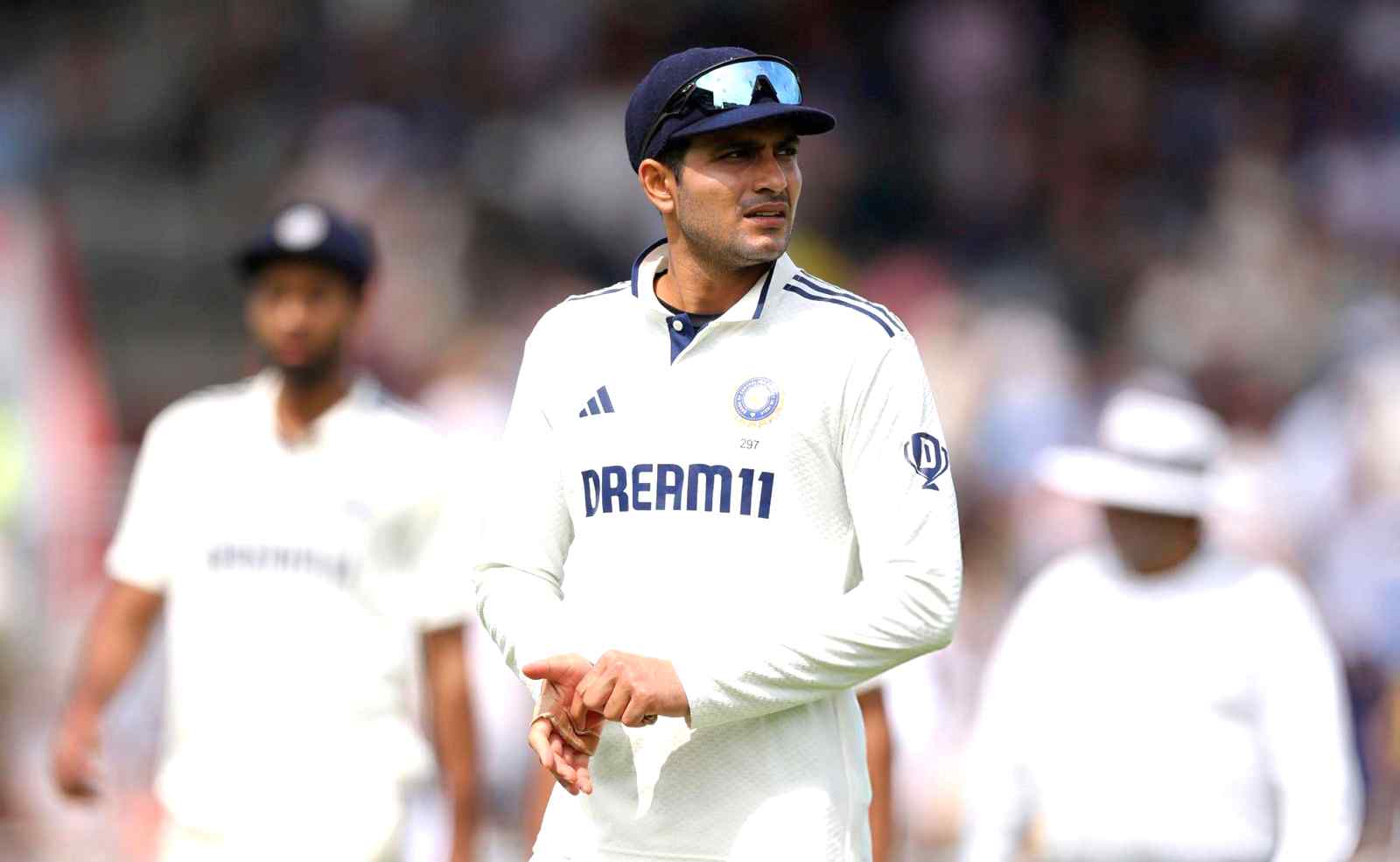
Leadership test for Gill
Taking over a side that has lost five Test matches at home in a span of seven matches, Shubman Gill now faces his first major leadership challenge. India’s decline in red-ball consistency has been stark; defeats in the England, Australia, and now South Africa series have eroded confidence in what was once the world’s most dominant Test unit.
For Gill personally, there is plenty at stake as well. His batting form has been solid rather than spectacular, and with the team navigating a difficult phase, his capacity to deliver both runs and results will shape how his leadership is ultimately assessed. Taking charge during a period of transition, Gill will need consistent victories and a clear tactical vision to firmly stamp his identity on India’s Test side.
Read More: Objective analysis of Shubman Gill’s Test captaincy so far
The road to the WTC 2027 Final
India’s latest defeat to South Africa, who were crowned 2025 World Test Championship (WTC) winners, has severely dented their hopes of qualifying for the WTC 2027 Final. To stay in contention, India must win at least seven of their remaining nine Tests in the current cycle. The challenge is daunting: four away (two each against Sri Lanka and New Zealand) and five at home against world No. 1 Australia.
A poor start means India must rediscover consistency and adapt to diverse conditions quickly. As captain, Gill’s approach to preparation, including the proposed camps, might prove vital not just for tactical readiness but for restoring the team’s self-belief.
Meanwhile, beyond immediate results, Gill’s proposal signals a shift in leadership mindset within Indian cricket. The BCCI’s leadership group welcomed his assertiveness, viewing it as a positive sign of a young captain willing to take initiative.
“Gill is showing assertive qualities now,” the BCCI source added. “He is presenting his vision to the selectors and the board with clarity. It augurs well for Indian cricket, as there is a need for a strong captain after Rohit Sharma.”
In the hyper-commercialised, high-frequency world of modern cricket, Gill’s call for extended red-ball preparation feels both traditional and timely. It harks back to an era when Test excellence was built through volume of practice, not just tactical data or T20 strokeplay.
Read More: Year-ender: Top 5 Test batters in 2025

