
Shubman Gill’s included in T20Is Squad — should India protect their all-format star for more crucial Test and ODI assignments?
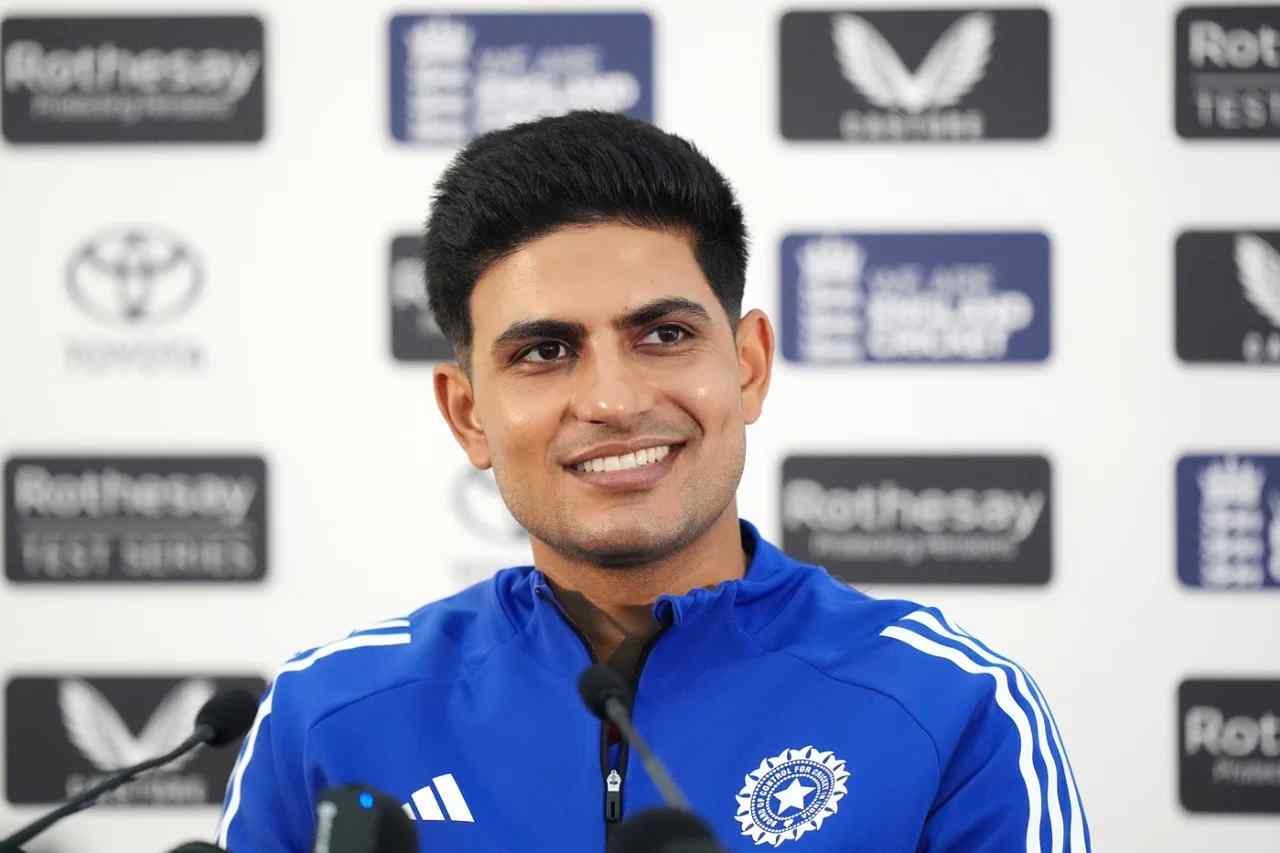
Shubman Gill is undergoing rehabilitation at the BCCI Centre of Excellence (CoE) in Bengaluru currently, ahead of Team India‘s upcoming T20I series against South Africa. Despite this rehab phase, he has been included in India’s squad as the vice-captain.
However, this raises a critical question: given his current fitness struggles, shouldn’t India have considered preserving Gill more for the longer formats, Tests and ODIs, where his role as a core batter and leader is pivotal?
Gill commenced rehab at the CoE on December 1, following a brief injury layoff and physiotherapy sessions in Mumbai. The plan is for him to begin batting again shortly under medical supervision, with the aim to join the T20I squad for the series against South Africa starting December 9.
His inclusion in the T20I lineup, despite still being in rehab, shows the management’s reliance on him as the team’s vice-captain and a key batting figure. However, with only 10 matches left before the T20 World Cup 2026, securing game time for Gill in this format is crucial to his preparation and confidence rebuilding as a leader and batter.
Read More: Shubman Gill has gone 13 innings without scoring a fifty in T20Is; Time to look beyond him?
Gill’s recent T20I performance
Gill’s recent form in T20Is has been less than stellar. He has played 33 T20I innings, scoring 837 runs, and has struggled to make a significant impact. His strike rate and conversion of starts in T20Is have been below expectations, highlighting the need for him to regain form before the T20 World Cup.
In the IPL and domestic circuits, he has been more successful, maintaining a solid overall strike rate of about 155.8 and consistently contributing runs. Still, the management’s focus now is to evaluate if Gill can rediscover his T20 rhythm and leadership skills in the international stage, especially with the World Cup looming.
Also,India’s humiliating Test series loss to South Africa has put considerable pressure on players like him, who is not only a key batter but also the Test and ODI captain. This defeat intensifies the expectation for him to bounce back strongly, not just with the bat but also as a leader who can inspire the team across formats.
Read More: Does Shubman Gill deserve to be India’s T20I opener after an underwhelming Asia Cup 2025?
Is Gill’s preservation for other formats necessary?
After the South Africa ODI series, India’s ODI schedule is sparse, with the next set of ODIs planned only in January 2026 against New Zealand and then in June 2026 against Afghanistan. Similarly, Test cricket opportunities for India are limited this season, with the next Test scheduled for August 2026 against Sri Lanka. This considerable gap offers the Indian management the luxury to ease Gill back gradually and focus his recovery and preparation more towards these longer formats.
Meanwhile, Indian cricket management is keen to nurture Shubman Gill as the next Virat Kohli-type player, a batter who can dominate all three formats and lead from the front with equal aplomb. This expectation places enormous pressure on Gill to deliver consistently across formats while maintaining fitness and leadership efficacy.
His rehab and return through the T20Is provide a convenient platform to test his readiness for the World Cup and assess whether he can handle the physical and mental demands of leading and performing in the world’s fastest format. His performance in these upcoming matches will be vital to determine if he is heading towards becoming the all-format anchor and leader that India envision.
🚨 NEWS 🚨#TeamIndia's squad for the 5⃣-match T20I series against South Africa announced.
— BCCI (@BCCI) December 3, 2025
Details ▶️ https://t.co/3Bscuq6Gri #INDvSA | @IDFCFIRSTBank pic.twitter.com/0bHLCcbwTD
Read More: Takeaways for India from T20I series against Australia

