
With T20 cricket entering the LA28 Olympics, should the ICC rethink scheduling and space the T20 World Cup every four years?
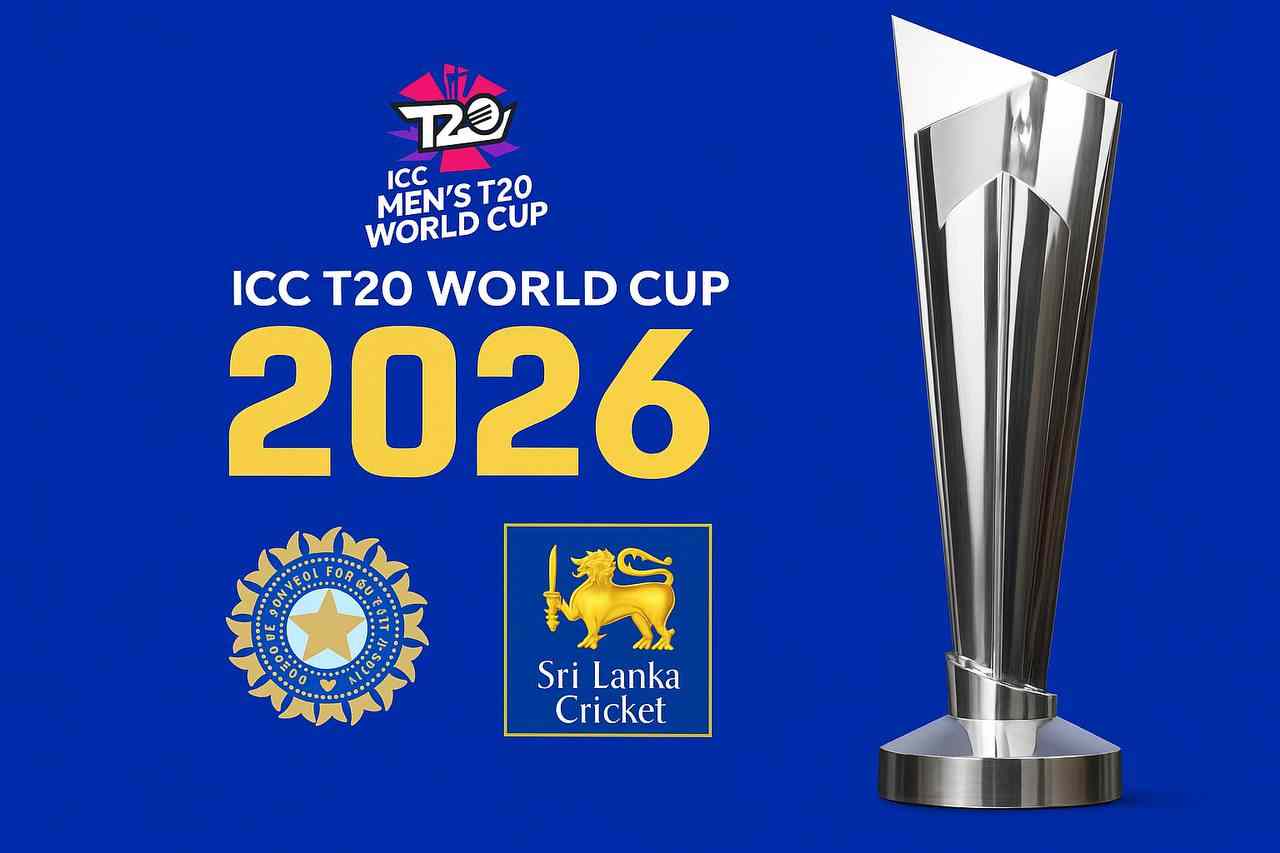
Cricket fans are currently having a gala time as the 2026 World T20 has kick-started with some thrilling finishes, top batting and bowling performances, and some good contests between bat and ball. However, fans are in for a treat as next year will see the 2027 ODI World Cup being scheduled, followed by a T20I tournament in the 2028 Los Angeles Olympic Games. However, 2028 will have another World T20 as this ICC tournament is held every two years. Considering the packed multi-nation tournaments in the next two years, should the T20 World Cup be spaced out over four years? What are the pros and cons of this decision, if taken?
Pros of having T20 World Cup every 4 years
Creates value
The T20 World Cup, being held every two year,s means the trophy changes hands more frequently than in tournaments conducted every four years, unless the defending champions successfully retain it. If the competition were held on a four-year cycle, the winning team would carry the champion’s aura for a longer period rather than just two years. Such a gap could also enhance the value and prestige of the trophy, as more teams – including Associate nations that actively play this format would prepare and compete for one of cricket’s most popular titles. Additionally, a four-year interval could build greater anticipation among fans, keeping them eager to watch multiple teams battle for a single championship.
A turnaround title of just two years might lose its sheen if the trophy exchange happens too quickly. For example, India won a thriller in the 2024 World T20 final against South Africa, and the way they have performed since then, they deserve to be World T20 champions for two more years. However, India might have an off day in the knockout in the ongoing World T20 campaign and see their hopes of retaining the title fall flat.
Read More: ICC replaces Bangladesh with Scotland at Men’s T20 World Cup 2026
Too congested a calendar – it might give relief to all stakeholders
Such is the cricketing calendar that every year there is a multi-nation tournament scheduled, and it could be too much for fans to digest. Next year, there is the 2027 ODI World Cup, followed by the 2028 Olympic Games. Then, the World T20 is back in 2028. In 2029, the Champions Trophy is scheduled in India. In 2030, World T20 is back. Add to this all the popular domestic T20 events, especially IPL, which goes for two months. This leaves too much for the fans to keep count on the trophies, winners and losers.
On the other hand, the football World Cup, which is held every four years, sees great excitement and fanfare because more than 30 teams take part in the tournament. The 2026 football World Cup will see 48 teams taking part, and hence, the tournament is likely to shadow majority of sporting events.
If the World T20 is spaced out over four years, it could benefit all stakeholders as the ICC could draft more teams from non-cricketing nations after making them play qualifiers over the period. This will help promote the sport across nations where cricket is yet to make its presence felt. Besides, if a multi-nation tournament, especially the World T20, is held over a gap of over four years, it would give cricketers, teams, advertisers, boards, host nations, and other stakeholders the breathing space to make better plans for the tournament. This could ensure better success for the World T20, and its benefits could reach out to all the parties concerned.
Giving Olympics a standalone event in a year will benefit cricket
If a multi-nation T20 tournament is held in Olympic with no other competing ICC T20I tournaments, it would directly benefit cricket. As Olympic sees the whole sporting world participating and viewing the event, a T20I tournament in this mega event will grab maximum eyeballs that will boost the popularity of the sport. A non-cricketing nation might get hooked on the gentleman’s game and could see a fan following there. But if a World T20 event is running in the same year as the Olympics, it might see the majority of cricket fans giving the ICC tournament precedence over the Olympics.
Read More: Should ODIs be reduced to 40-overs-a-side?
Cons of having T20 World Cup every 4 years
Recall value might go down
A World T20 event held every four years might see the recall value and interest in the tournament falling, as there are enough domestic T20 events that are popular among the fans. So, the World T20 is also competing with popular leagues such as the Indian Premier League and Big Bash League, which are held every year.
A four-year gap for a World T20 event might turn out to be against it, as fans would be full of their favourite domestic T20 events. As the ODI World Cup, which is held every four years, has already lost its popularity, a World T20 happening after the same duration might backfire, as fans’ interest might go down.
On the other hand, multi-nation tournament might not attract fans as much as seeing the top cricket stars from across the cricketing world competing in a popular domestic T20 tournament. For example, a clash between the Mumbai Indians and Chennai Super Kings in IPL will grab more eyeballs any day than any of the games among associate nations or between a Test-playing team and an associate nation. Hence, the World T20 event is competing with these popular domestic tournaments, and coming every four years, might just work against them.
Read More: Women’s World Cup 2025 gets record prize pool of USD 13.88 million; surpasses Men’s CWC 2023 payout

