

IND vs SA 2025 ODI: KL Rahul’s hesitant captaincy and mistakes cost India game — is he a reluctant skipper?

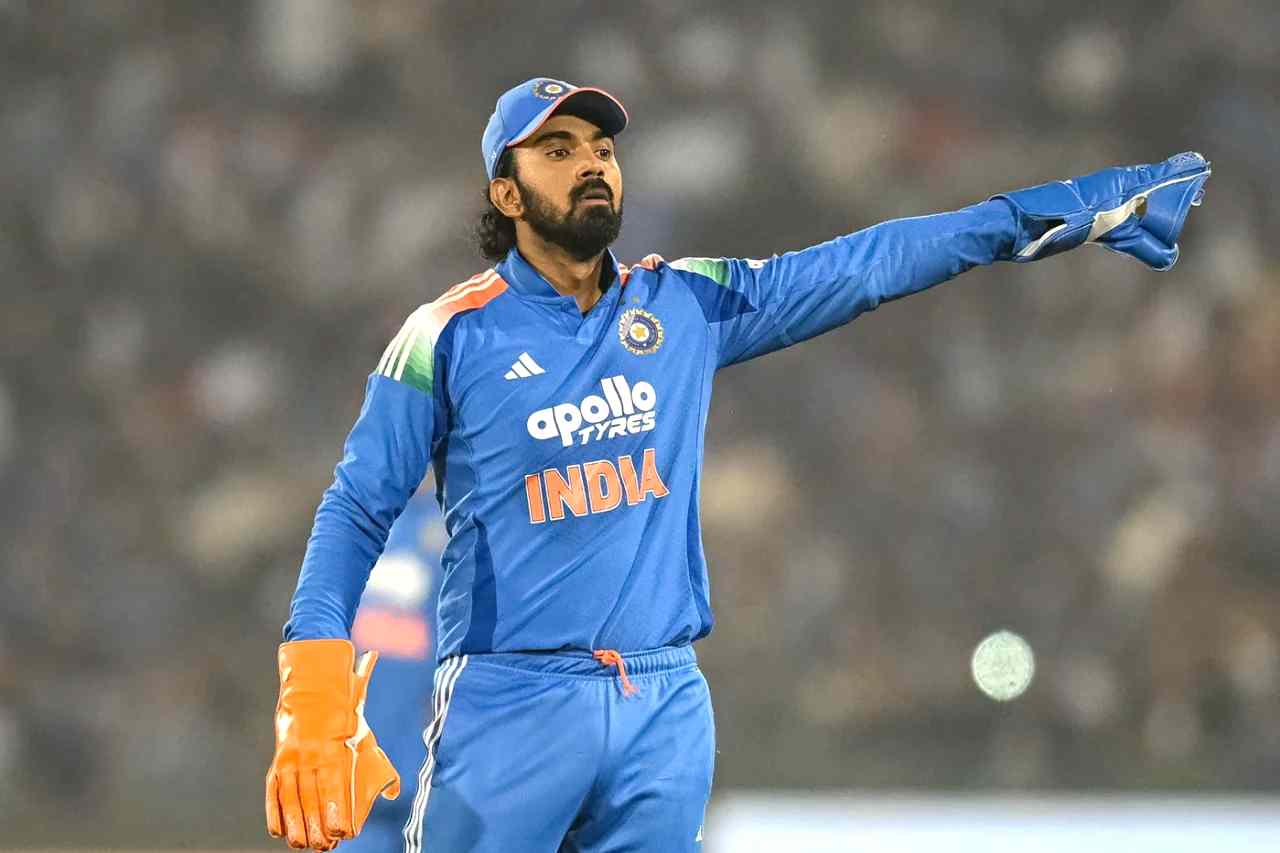
South Africa’s ODI visit to India was expected to be a routine home assignment, but the two matches in Ranchi and Raipur revealed a bigger concern than India’s middle-order fragility. And, that is KL Rahul’s uncertain captaincy.
Across both games, Rahul appeared hesitant and reactive, often requiring Rohit Sharma’s mid-over interventions to steady India’s tactical direction. What should have been straightforward home conditions instead highlighted a captain struggling to take charge, raising serious questions about his readiness to lead at this level.
Despite getting several chances to lead Team India in the past, Rahul still looked unsure of himself as the captain in this series. His hesitation showed up again and again in key moments, and many of his decisions affected India’s control in both matches. From team selection to on-field decisions, Rahul never looked fully confident or assertive, and that uncertainty stood out throughout the first two ODIs.
Read More: IND vs SA 2025-26, 2nd ODI: Kohli, Gaikwad tons go in vains; SA go level 1-1
Whimsical wager on Washington Sundar
One of KL Rahul’s most debatable calls was using Washington Sundar in the top six. Sundar is a talented all-rounder, but his ODI batting average of 20.27 in 28 matches is hardly the mark of a reliable top-order or upper-middle order batter.
A top-six batter is expected to offer stability, build partnerships and guide tough passages of play. Sundar has not shown consistent evidence of being able to fulfil that role in ODIs. Promoting him to the top-six created uncertainty in India’s batting structure at a moment when stability was more critical than experimentation.
Moreover, Sundar is a spin-bowling all-rounder, not a pace-bowling one — a fact especially relevant in conditions affected by dew. When the ball gets wet and slows down, spin bowling loses potency. In those scenarios, teams generally need seam-bowling all-rounders who generate pace and bounce rather than spin-allrounders who struggle with grip and control. Standing as captain, Rahul’s decision to back a spin all-rounder at No. 6 in such conditions was risky, especially without a reliable plan B.
Given his modest batting average and the risk of playing a spin all-rounder under dew-affected conditions, the decision to use Sundar as a top-6 batter under Rahul’s leadership looks more like a gamble than a calculated move.
Read More: Ruturaj Gaikwad proved in Raipur that his game is perfect for ODIs
Too defensive in field placements & gifting easy singles
Field placements in the middle overs revealed a conservative mindset. Rather than keeping close-in fielders or attacking rings to squeeze the run rate and force mistakes, Rahul often opted for defensive settings, giving South Africa easy singles and steady rotation. The batters rarely felt pressure, instead they rotated strike and felt comfortable through the innings.
In ODI cricket, especially against a side like South Africa that can capitalise on poor bowling or weak fields, such passive captaincy often backfires. India failed to build sustained pressure, and the opposition never looked stretched. Moments that could have triggered breakthroughs went unexploited. It was a clear reflection of a captain unwilling to take calculated risks when the situation demanded.
Trusting spinners even with dew around instead of switching to seam
One tactical misread was continuing with spin bowling even as dew began to take effect. Once the ball becomes damp and slips, spinners struggle. Grip disappears, turn diminishes, and lengths become unpredictable. In such conditions, seamers usually offer better control and chance to exploit the conditions.
Rahul stuck with spin for longer than necessary, which allowed South Africa batters to settle and play through the middle overs freely. A more alert captain would have recognised the shift in conditions and switched to pace early to exploit favourable bowling conditions. Instead, India let the opposition dictate the batting tempo. This again showed hesitation rather than proactive leadership.
Read More: Prasidh Krishna a misfit in white-ball cricket?
Lacking game awareness and failure to make bold tactical moves
Perhaps the most telling issue was KL Rahul’s inability to read the match’s rhythm. Bowling changes came late, critical match-ups weren’t exploited, and momentum shifts weren’t met with timely aggression. South Africa adapted faster, adjusted their strategy, and showed clarity in approach. India, under Rahul, often looked a step behind.
By contrast, when Virat Kohli captained India, he was actively involved in every phase of the game. He constantly assessed the batter’s comfort, adjusted field placements, and rotated bowlers to control momentum. Rahul, however, rarely displayed this level of engagement, which left India reactive rather than proactive in key situations.
Captains at the top level must anticipate. They need to recognise when a batter is comfortable, when the bowlers are losing control, or when conditions demand a shift in strategy. Rahul’s decisions often felt reactive, not planned. That lack of instinctive awareness prevented India from seizing important phases of the game.
Captaincy record vs reality on field
Statistically, KL Rahul’s record as India’s ODI captain has been decent but not flawless. In his 14 ODIs as captain between 2022 and 2025, India have recorded 9 wins and 5 losses, giving him a win percentage of 64.28%. As a batter while leading the side, Rahul has scored 428 runs in 12 innings at an average of 42.80.
However, numbers can be deceptive. A skipper’s real value often shows up in pressure situations, close matches, and in handling unpredictable conditions. In the recent ODIs, Rahul’s record on these fronts looked shaky. The decisions on playing order, bowling changes, field placements and adapting to conditions did not reflect the calm, assertive leadership predicted by stats alone.
Final verdict
Through the first two ODIs, KL Rahul rarely looked fully comfortable as captain. His decisions often lacked conviction, field placements were cautious, and he frequently relied on senior players like Rohit Sharma to guide on-field tactics. Even in familiar home conditions, he struggled to set a clear strategy or control the game’s rhythm.
Looking ahead, India now face the decisive 3rd ODI on 6th December in Visakhapatnam. With the series level at 1–1, this match will not only decide the series winner but also serve as a key test of Rahul’s growth as a leader. It will be interesting to see whether he can apply lessons from Ranchi and Raipur, make bolder decisions, and guide the team with the clarity and confidence required at the highest level.
Read More: Report card of Ajit Agarkar’s work as Chairman of the Senior Men’s Selection Committee


