

T20 World Cup 2026: ICC rope in Scotland after Bangladesh decline to travel to India for the tournament.

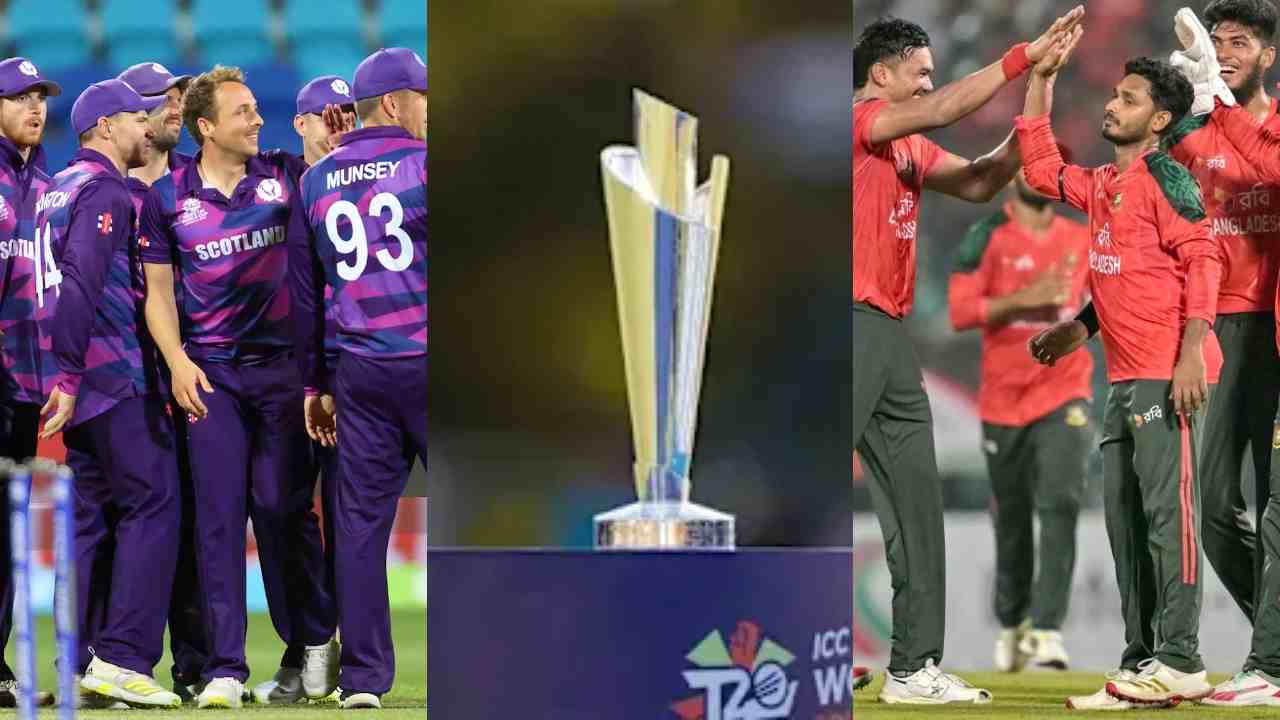
The ICC has formally replaced Bangladesh with Scotland in the 2026 Men’s T20 World Cup after the Bangladesh Cricket Board (BCB) refused to send its team to India for the tournament, citing security concerns tied to political tensions and an IPL incident involving Mustafizur Rahman.
After nearly three weeks of failed negotiations and a final ultimatum, the ICC Board decided that Bangladesh’s insistence on playing its matches outside India was unacceptable so close to the event. As a result, Scotland have now been given the vacant spot in Group C.
Read More: Despite ICC greenlighting security situation, BCB firm on not sending Bangladesh to India for T20 WC
How did crisis begin?
Bangladesh’s refusal can be traced back to December 2025, when political relations between India and Bangladesh soured over several issues. These included reports of violence against Hindu minorities in Bangladesh, a situation that has drawn increasing concern within India’s political and diplomatic circles.
The cricket fracture became visible when the Kolkata Knight Riders (KKR) dropped Bangladesh star pacer Mustafizur Rahman from their IPL 2026 squad, following a BCCI directive.
Shortly after that, the BCB, after consultations with the Bangladesh government and the national team, declared that it would not send the Bangladesh squad to India for the T20 World Cup. On January 3, the BCB issued a formal statement saying that, given the “prevailing situation and growing concerns about the safety and well‑being of the Bangladesh contingent in India,” the national team would not travel to India under the current conditions.
The board requested the ICC to move all of Bangladesh’s group matches to a neutral venue outside India, preferably Sri Lanka, to avoid any security risk to players, officials, and fans.
Bangladesh’s opening match was scheduled for February 7 at the Eden Gardens, Kolkata, against West Indies, with later games in Mumbai and Ahmedabad – all in India. The BCB’s refusal, thus, sent shockwaves through the tournament’s planning.
ICC’s ultimatum & final decision
The ICC, which had approved the India–Sri Lanka joint hosts plan months earlier, treated Bangladesh’s request as a direct challenge to its authority and the tournament’s integrity. In an emergency video conference of the ICC Board on January 22, directors from most member nations agreed that altering the schedule so close to the event was neither feasible nor fair to other teams.
The board gave the BCB a strict 24‑hour deadline to confirm that Bangladesh would participate in India as per the original schedule. The ICC made it clear that if Bangladesh continued to refuse to play in India and insisted on neutral venues, the board would activate the contingency clause of replacing them with a non‑qualified team. In this case, Scotland, who had finished just outside the direct qualification spots in the 2024 T20 World Cup, were the highest‑ranked reserve nation.
Despite frantic behind‑the‑scenes talks, the BCB and the Bangladesh government stood firm, reiterating that they would not authorise the team’s travel to India for the World Cup. The ICC Board then formally decided that Bangladesh would be removed from the tournament lineup altogether, and Scotland would take their place in Group C.

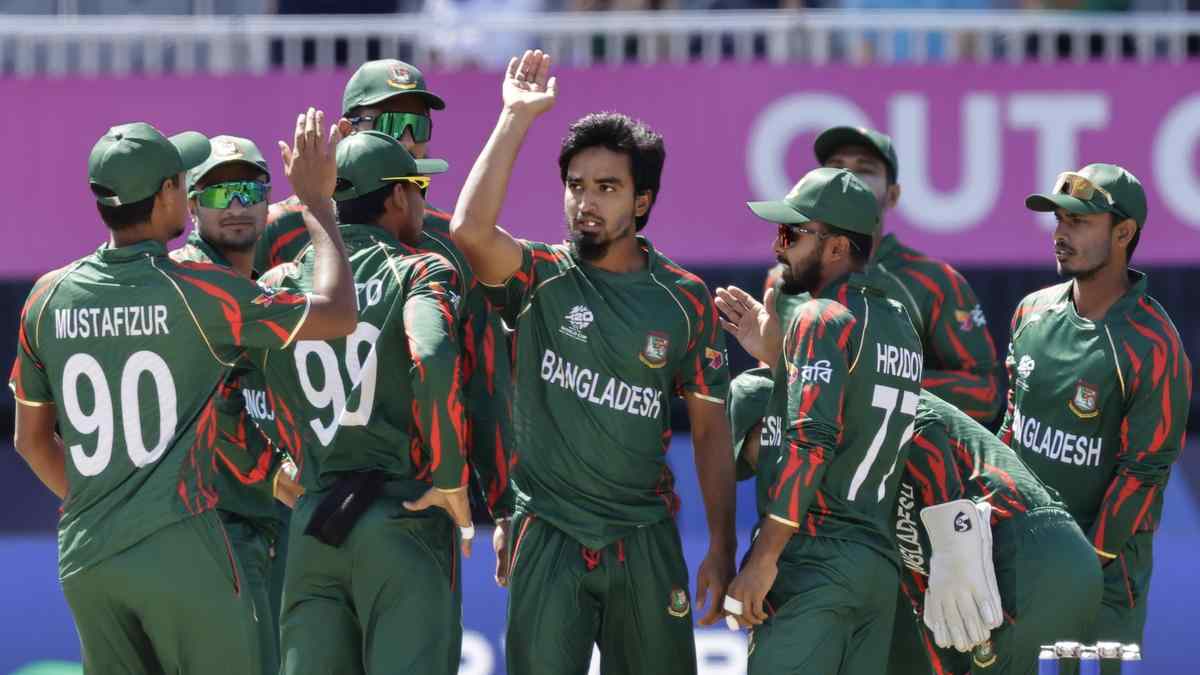
Read More: KKR release Mustafizur on BCCI instructions; have been allowed replacement player
Why were Scotland chosen?
The ICC’s playing conditions for the 2026 T20 World Cup include a clear replacement mechanism for teams that withdraw at the last minute: the spot goes to the highest‑ranked non‑qualified team from the last World Cup qualifiers cycle. Among the teams that narrowly missed qualification, Scotland were the highest‑rated in the ICC T20I rankings and had shown strong performances in the 2024 World Cup qualifiers and the 2025–26 Global T20 leagues.
Cricket Scotland was formally notified and invited to replace Bangladesh, with all logistical and squad‑related arrangements now falling on them. Scotland will now play Bangladesh’s scheduled fixtures in Kolkata and Mumbai, effectively inheriting the same fixtures, venue obligations, and broadcasting commitments that the BCB had been assigned.
Political & diplomatic undercurrents
The BCB’s decision was not made in isolation; it was heavily influenced by the Bangladesh government, which cited deteriorating bilateral relations and security fears for Bangladeshi citizens in India. The BCB has also pointed out what it sees as ICC double standards, especially when compared to the BCCI’s refusal to travel to Pakistan for the scheduled 2025 Champions Trophy, which the ICC accepted and shifted to a neutral venue.
In a strongly worded statement, BCB president Aminul Islam argued that the ICC’s handling of the Indian situation set a precedent that Bangladesh should also be allowed to play at neutral venues, and that the differential treatment undermines the ICC’s claim of neutrality. The ICC, however, rejected this argument, insisting that the BCCI’s case was a separate bilateral issue and that the Mustafizur Rahman IPL incident was an “isolated domestic league matter” with no bearing on the safety and security framework of an ICC‑organised World Cup.
What happens now for Bangladesh?
Bangladesh are no longer in the 2026 T20 World Cup, meaning they will lose crucial World Cup revenue, prize money, broadcasting share, and match fees that come with participating in the marquee event. The BCB will also face a significant reputational hit, being seen as the first full‑member nation to be replaced in a World Cup due to refusing to travel to a host country on political grounds.
The board has indicated that it will take the matter to the ICC Dispute Resolution Committee (DRC), challenging the legality of the replacement decision. However, since the DRC’s role is supervisory, not appellate, it is unlikely to reverse the ICC Board’s decision, though it may examine whether due process was followed.
Consequences for global cricket
This episode sets a major precedent: the ICC has shown that it will not bow to last‑minute political refusals to play in a host country, even from a full‑member board. Future hosts and member boards will now know that if a team cannot commit to playing at the designated venues, the ICC will replace them with a reserve team rather than compromise the tournament structure.
For Bangladesh, the immediate fallout includes damaged relations with the ICC, potential financial penalties, and increasing pressure from players and fans who wanted to compete on the world stage. The long‑term impact on India–Bangladesh cricket ties – already under strain – will also need careful diplomatic and cricketing management in the coming months.
Read More: ICC Men’s T20 World Cup 2026: Full Schedule


