
Cricket returns to M. Chinnaswamy Stadium as Bengaluru gears up to host five matches in the IPL 2026 season.
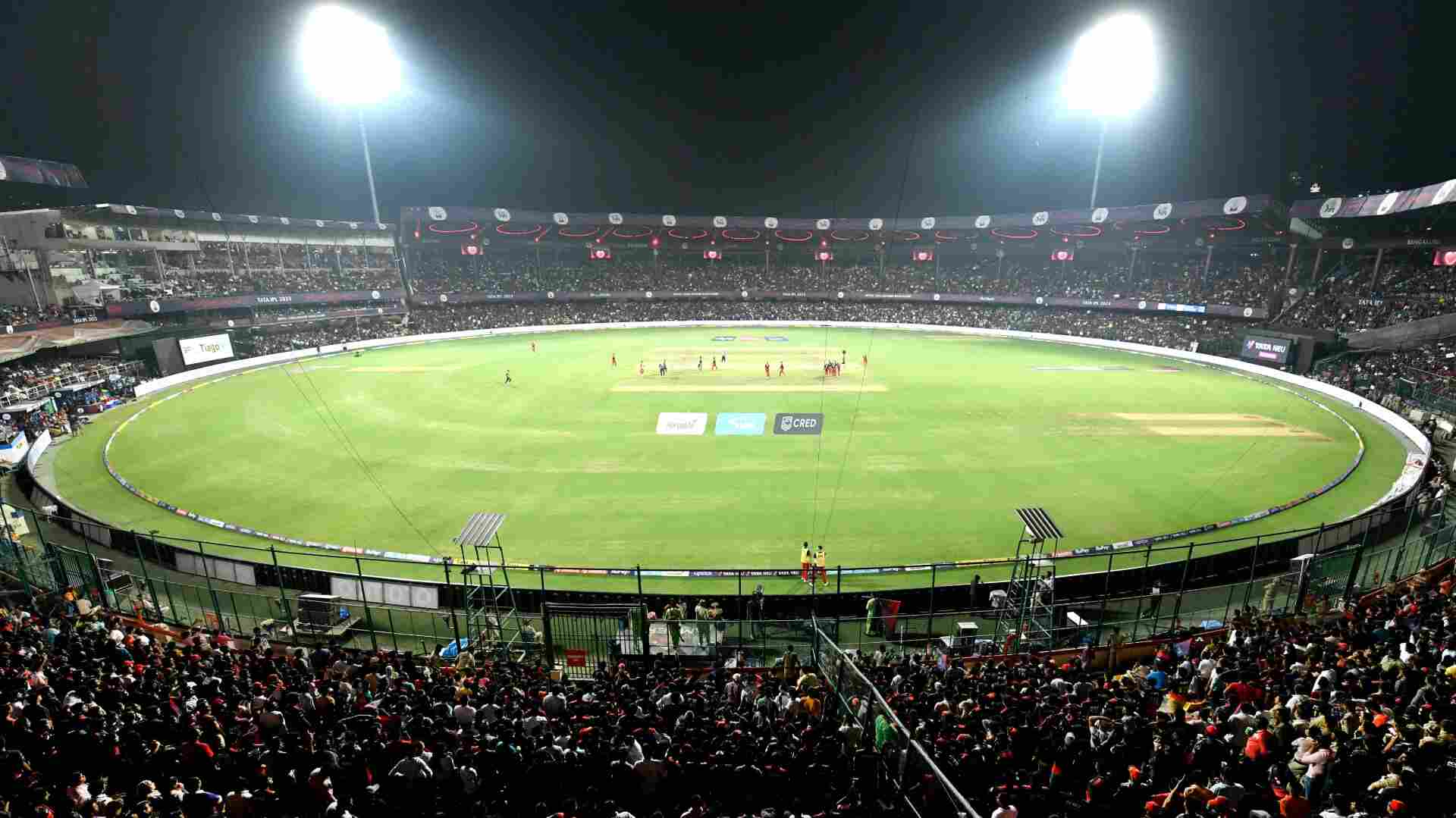
After nearly a year of uncertainty, the unmistakable buzz of IPL cricket is set to return to one of India’s most beloved grounds. The M. Chinnaswamy Stadium in Bengaluru will host five matches during the Indian Premier League 2026, bringing top-tier cricket back to the city after months of introspection and reform.
For Royal Challengers Bengaluru (RCB), the venue has long been synonymous with dramatic finishes, packed stands and some of the loudest crowds in the tournament. But the stadium’s return to the IPL calendar follows a difficult chapter that forced administrators to rethink how cricket events are organised and managed in one of India’s busiest urban centres.
June 4, 2025: Celebration turns into tragedy
The road back to hosting IPL matches began with a day that Bengaluru’s cricket community will not easily forget.
On June 4, 2025, thousands of fans gathered around the M. Chinnaswamy Stadium to celebrate Royal Challengers Bengaluru’s first IPL title, which had come a day earlier when they defeated Punjab Kings in the final. The celebrations quickly grew beyond expectations as supporters thronged the area around the stadium, hoping to catch a glimpse of the victorious team.
What was meant to be a moment of jubilation soon spiralled into chaos. Large crowds surged toward the stadium gates, triggering a crowd crush that resulted in 11 fatalities and several injuries. The incident prompted immediate scrutiny from the Karnataka State Cricket Association and the state government, raising serious concerns about the adequacy of safety protocols and crowd-management planning at the venue.
In the aftermath, major events at the stadium were temporarily halted while authorities reviewed operational procedures and infrastructure standards.
Read More: Diageo communicates to SEBI about its decision to conduct ‘strategic review’ of investment in RCB
Inquiry and push for accountability
Following the tragedy, the Karnataka government set up a judicial inquiry to examine the circumstances that led to the crowd crush. The investigation focused on multiple factors – crowd movement planning, emergency response mechanisms, entry and exit gate management, and coordination between the stadium authorities and law enforcement agencies.
The findings highlighted the need for clearer operational protocols, better crowd segregation and stronger coordination between event organisers and security agencies. The recommendations became the blueprint for the reforms that would eventually pave the way for cricket’s return to the venue.
Venkatesh Prasad takes charge at KSCA
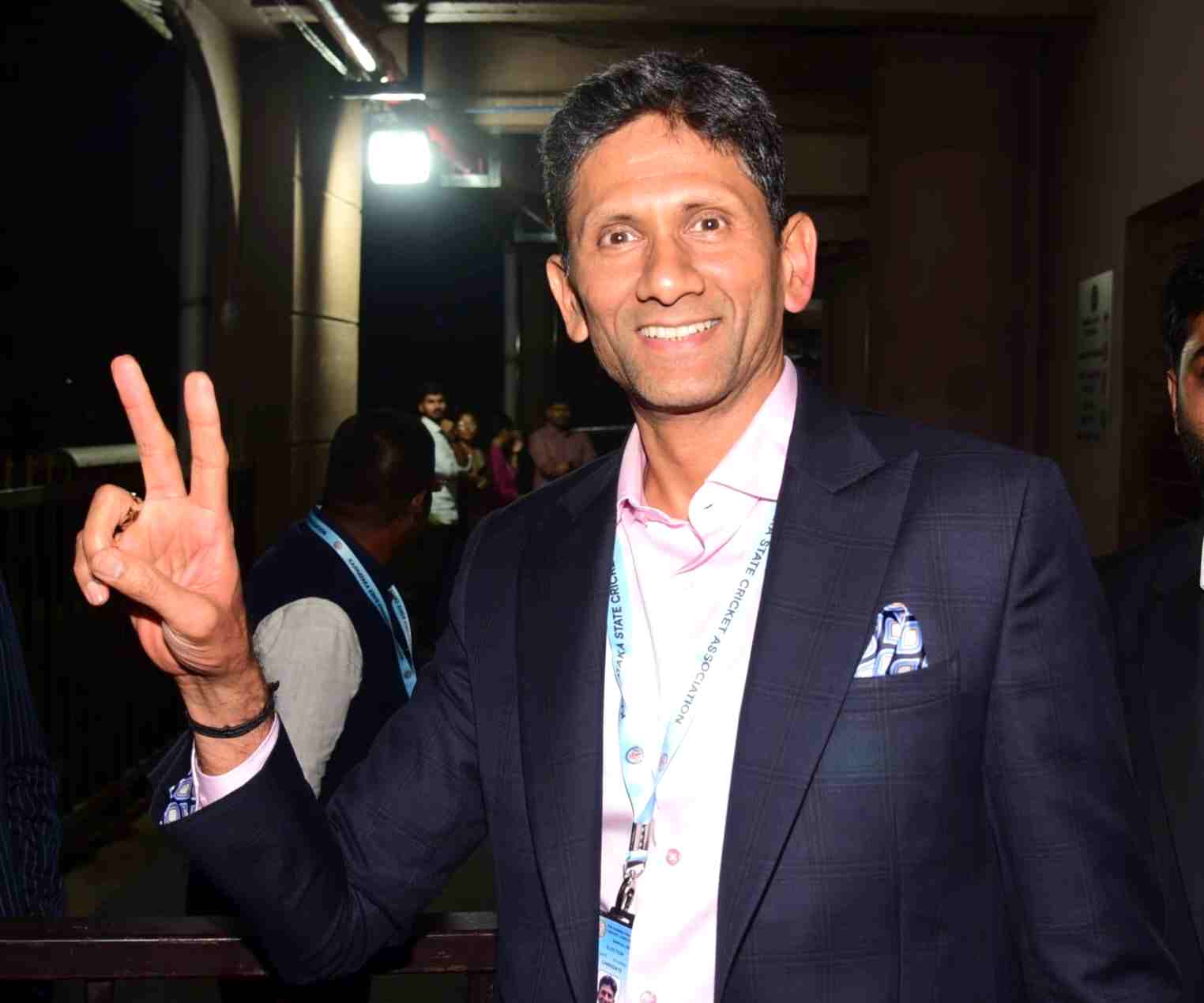
A major turning point came later in 2025 when former India fast bowler Venkatesh Prasad was elected president of the Karnataka State Cricket Association.
Prasad, who played a key role in India’s famous victory against Pakistan in the 1996 Cricket World Cup, assumed office with a clear mandate: restore confidence in the stadium’s safety and bring international-standard cricket back to Bengaluru.
Under his leadership, the KSCA worked closely with the state government, city police and infrastructure experts to implement the recommendations from the inquiry. The administration’s goal was not merely to regain hosting rights but to modernise match-day operations at the stadium.
Infrastructure upgrades and operational reforms
To ensure the venue met safety benchmarks required for large events like the IPL, several upgrades were introduced.
Improved crowd management systems
One of the most significant reforms involved redesigning the flow of spectators in and around the stadium.
- Entry and exit points were reorganised to avoid crowd bottlenecks.
- Dedicated pedestrian corridors were introduced to separate arriving and departing spectators.
- Ticket scanning and security checks were streamlined to reduce congestion near the gates.
These measures are expected to significantly improve crowd movement during high-attendance matches.
Read More: Karnataka Housing Board to build new 80,000-seater cricket stadium in Bengaluru
Expanded security and emergency protocols
Authorities also strengthened coordination between stadium officials and emergency services.
- Additional CCTV surveillance systems were installed around the venue.
- Emergency evacuation procedures were updated and rehearsed with police and medical teams.
- Fire-safety equipment and medical response units were upgraded to handle large gatherings.
Transport and traffic management
Traffic congestion around the stadium has historically been a major challenge during IPL matches. To address this, the new plan includes:
- Designated drop-off and pick-up zones away from the stadium gates
- Improved coordination with Bengaluru traffic police
- Enhanced parking management systems
The aim is to ensure smoother movement for both spectators and emergency services on match days.
Why only five matches?
Although the stadium has been cleared to host IPL games again, the number of fixtures has been capped at five matches for IPL 2026, along with the IPL 2026 final, which is also scheduled to be played at the venue.
Officials believe the limited number of league matches will allow authorities to carefully monitor how the newly implemented safety and crowd-management systems perform during live events. Hosting the tournament’s biggest match, the final, is also a strong vote of confidence in the upgraded infrastructure and operational protocols at the stadium.
The phased approach reflects the cautious stance adopted by both the KSCA and local authorities following the events of 2025, balancing safety oversight with the desire to bring major cricket back to Bengaluru.
What this comeback means for Bengaluru
Few IPL venues are as closely tied to their city’s sporting culture as the M. Chinnaswamy Stadium is to Bengaluru.
The compact stadium, with a seating capacity of around 40,000, has hosted countless memorable moments in Indian cricket, from high-scoring IPL thrillers to international matches featuring some of the biggest names in the sport.
For RCB supporters, the stadium is more than just a venue. It is the heart of the franchise’s fan culture, a place where chants echo through the night and the stands often turn into a sea of red. The return of IPL matches in 2026, therefore, represents something larger than cricket scheduling. It marks the city’s gradual recovery from a difficult episode and the start of a new chapter shaped by stronger safety standards and more responsible event management.
When the floodlights come on again at Chinnaswamy, and the first roar rises from the stands, it will symbolise more than just another IPL contest.
It will be a reminder that Bengaluru’s cricketing heartbeat, though shaken, never truly stopped. And now, with lessons learned and safeguards in place, the game is ready to return to the city that has always embraced it with unmatched passion.
Read More: Bringing top-flight cricket back to Chinnaswamy major priority for new KSCA chief Venkatesh Prasad

