
Day 1 of T20 World Cup 2026 delivers a clear message as USA and Netherlands nearly upset full members, proving associates can’t be ignored.
For years, ICC tournaments followed a familiar script – Full Member nations dominated the early rounds while associate teams fought for respectability and the occasional upset. But modern T20 cricket has begun to rewrite that pattern. The shortest format has accelerated the global spread of skills, confidence and tactical awareness, allowing emerging cricket nations to close the gap faster than ever before.
The T20 World Cup 2026, being played across India and Sri Lanka, is already reinforcing that shift. Associate teams are no longer defined by participation alone; they are arriving with structure, belief, and the ability to stretch elite sides deep into matches. The opening phase of the tournament has shown that victories against these teams must now be earned, not assumed.
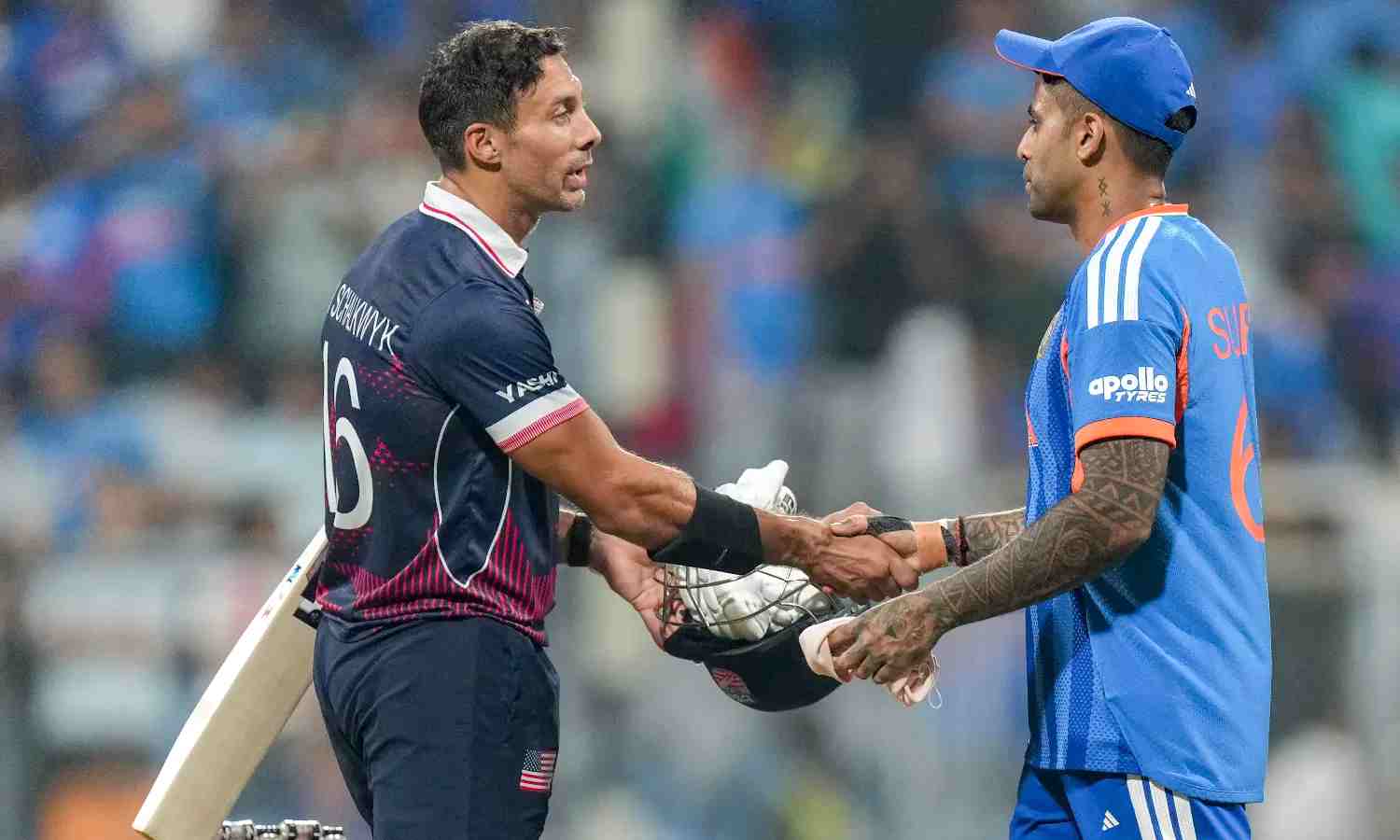
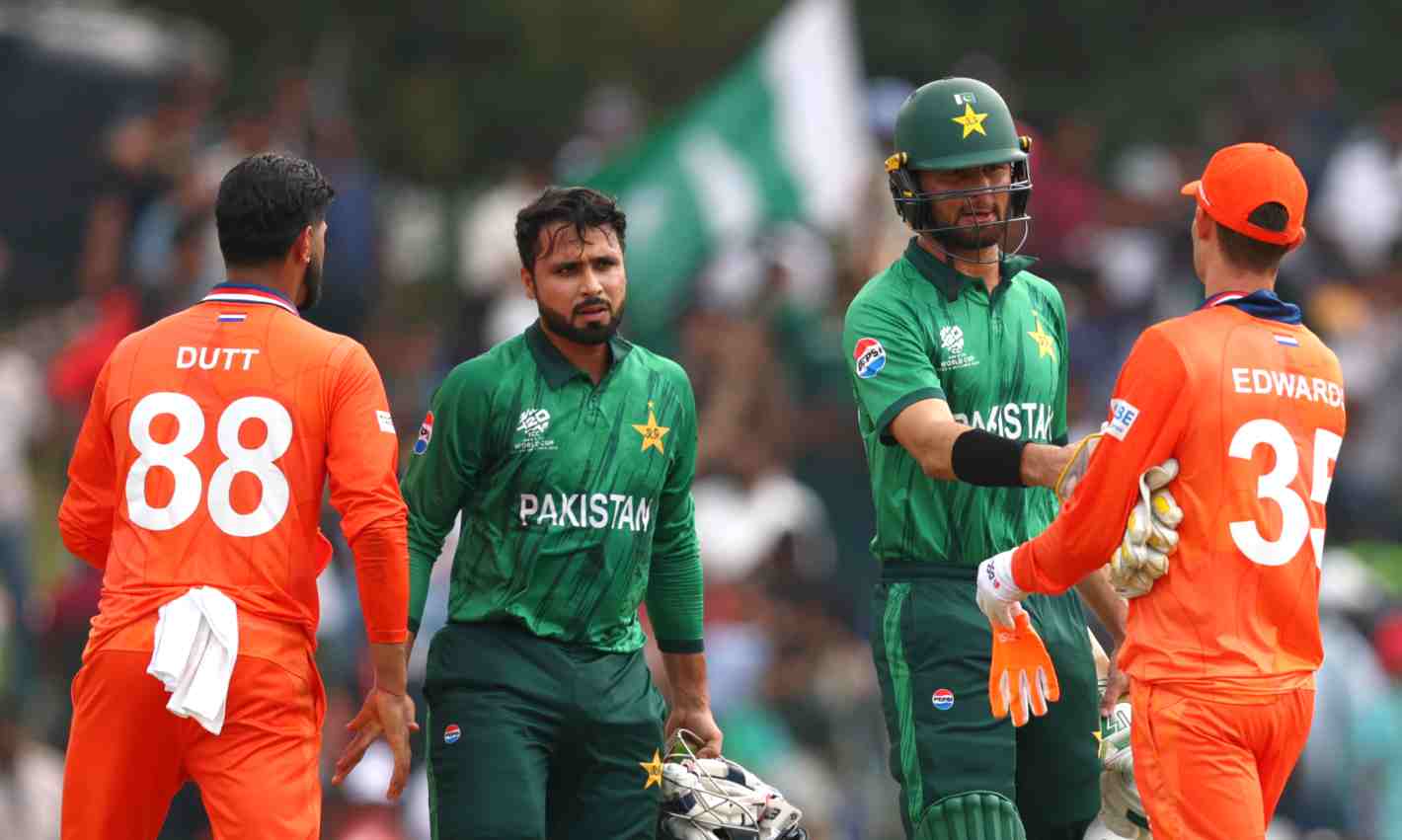
That message became unmistakable through early contests: the Netherlands pushing Pakistan to the final over, Scotland competing strongly against the West Indies, and the USA briefly unsettling India. Each performance highlights how the global reach of T20 cricket is reshaping competitive balance.
Netherlands push Pakistan to the brink
Pakistan survived, but only just. Chasing 147 against the Netherlands, Pakistan were kept under constant pressure by disciplined bowling and sharp fielding. The Dutch attack never allowed the required rate to settle, forcing Pakistan into uncomfortable situations. Only a late surge – including Faheem Ashraf’s unbeaten 29 off 11 balls – carried Pakistan to a three-wicket win with three balls to spare.
For the Netherlands, the defeat did little to diminish the significance of the performance. It reflected a team that understood conditions, match-ups and pressure moments – hallmarks of sides that belong on the global stage.
Read More: T20 World Cup 2026, IND vs USA: Surya’s gritty 84* saves India the blushes in their opening game
Scotland & USA drop impressive performances
In Kolkata, Scotland demonstrated similar resilience against West Indies. After the Caribbean side posted 182-5, Scotland remained competitive deep into the chase before Romario Shepherd’s remarkable spell, including a hat-trick, secured a 35-run victory for West Indies.
In Mumbai, even after India recovered to post 161, the Americans continued to compete with discipline, illustrating the growing depth and confidence within associate cricket structures.
T20 cricket’s global expansion
The increasing competitiveness of associate teams is not accidental – it is the product of a structural shift in world cricket over the last decade. The T20 format has lowered traditional barriers to entry, allowing teams without long domestic red-ball systems to compete through specialisation, athleticism and tactical preparation.
Franchise leagues around the world have played a major role in this transformation. Players from associate nations now share dressing rooms with international stars, gaining exposure to advanced training methods, match simulations and data-driven planning. That experience shortens development cycles dramatically. A player from an emerging cricket nation today can acquire in three seasons of T20 leagues what once took a decade of international exposure.
The impact is visible not just in batting power but in fielding standards and bowling discipline. Associate teams are fitter, quicker in the field and far more aware of match-ups than before. Their bowlers rely on variations, angles and defensive fields rather than raw pace alone – a style well suited to modern T20 cricket.
Importantly, the ICC’s expanded tournament structures and qualification pathways have given these teams regular exposure to high-pressure cricket, building belief alongside skill. The presence of competitive associate sides in global events is no longer symbolic; it reflects genuine cricketing progress.
T20 cricket, more than any other format, has become the engine of cricket’s globalisation.
Read More: Batting numbers across T20s at the 5 Indian venues of T20 WC 2026
Global standards of T20 cricket have improved considerably off late. Hence I wasn’t too bothered if the quality of the tournament would take a hit when Scotland replace Bangladesh. Netherlands pushing Pakistan on the brink of disqualification just proves that. Game on! #PAKvsNED
— Priyank Panchal (@PKpanchal09) February 7, 2026
New tournament reality
If the early matches of the tournament revealed anything, it is that there are no easy games anymore. Pakistan were pushed to the final over. West Indies needed Shepherd’s brilliance. India had to regroup after losing momentum. These were not isolated moments – they were signs of a changing competitive landscape.
In previous eras, stronger teams often used early World Cup fixtures to experiment with combinations or ease into tournament rhythm. That luxury is quickly disappearing. Associate teams are now capable of punishing complacency, forcing top sides to play near their best from the very beginning.
This shift changes how tournaments unfold. Momentum becomes harder to build, net run rate calculations become riskier, and squad depth is tested earlier than expected. Matches that once looked routine on paper now demand tactical clarity and emotional composure.
Most significantly, associate teams are beginning to influence tournament narratives without necessarily winning games. By pushing stronger sides deeper into contests, they affect confidence, strategy and even qualification scenarios later in the competition.
World Cups are often remembered for upsets, but the T20 World Cup 2026 may be remembered for sustained competitiveness across teams. The difference between victory and defeat is increasingly defined by execution in key moments rather than reputation.
And that is the clearest sign yet that T20 cricket has truly become a global game.
Read More: Top 5 power-hitters to watch out for in T20 World Cup 2026

