

SA ODIs give Yashasvi Jaiswal a big chance to prove his opening skills and strengthen his case in India’s ODI setup.

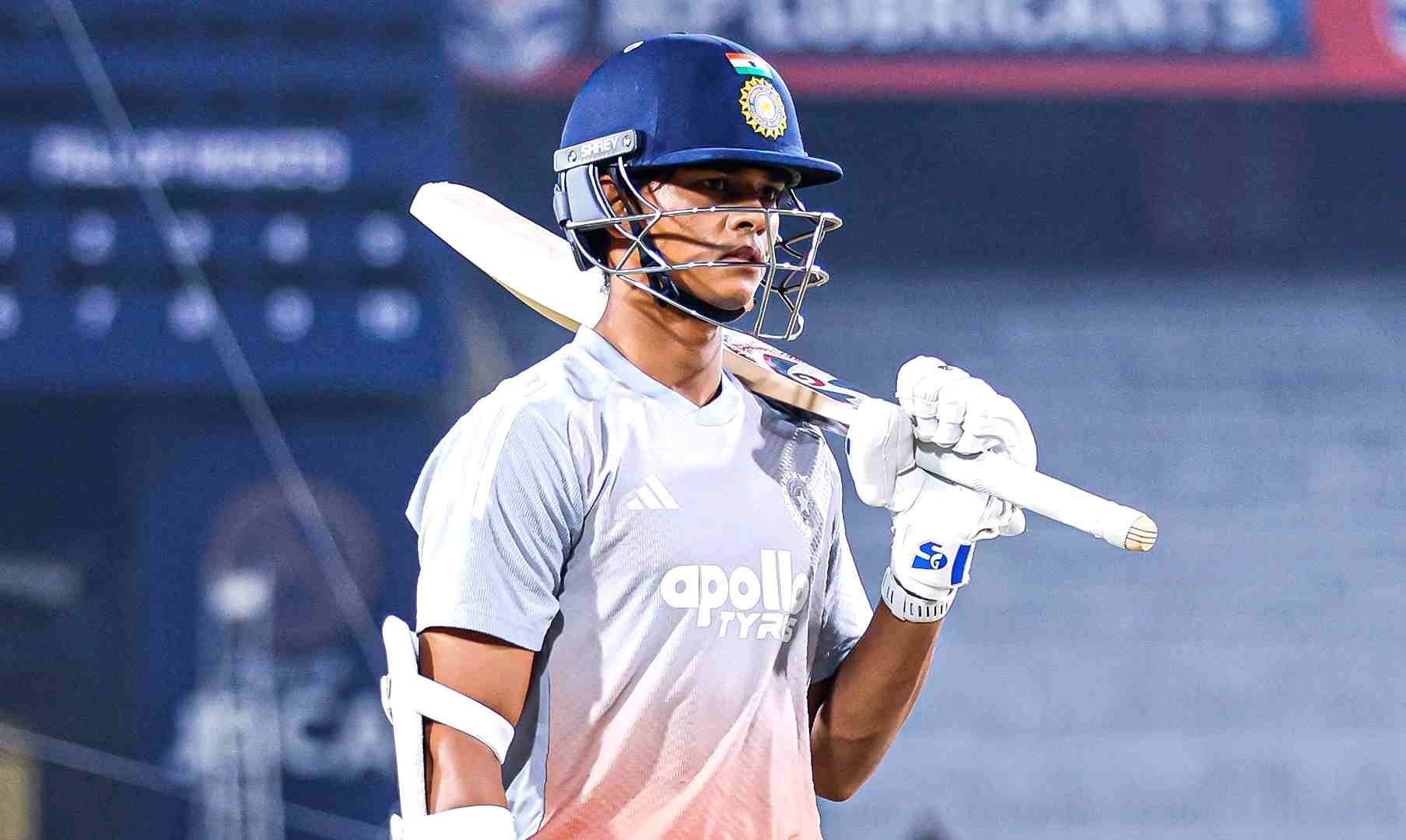
The three-match ODI series in South Africa might seem like just another bilateral assignment on India’s packed calendar, but for Yashasvi Jaiswal it is much more than that. With Shubman Gill ruled out due to a neck injury, the door has opened for the young left-hander to finally stake a strong, sustained claim as India’s first-choice ODI opener alongside Rohit Sharma.
Jaiswal’s white-ball rise has not been that solid apart from the IPL. His ODI journey has gradually moved. He received his maiden ODI call-up for the home series against England earlier in 2025, entering the squad as the third opener behind Rohit and Gill on the back of red-hot form across formats.
He eventually made his ODI debut on 6 February 2025 against England, but opportunities since then have been limited, with Gill entrenched as Rohit’s long-term partner at the top. Through much of the year he travelled with India as part of expanded white-ball squads, often carrying drinks or slotting into practice games, but only played a single ODI in almost two years now.
Selectors have named Jaiswal in the ODI squad against SA, and multiple reports suggest he is the frontrunner to partner Rohit at the top, with Ruturaj Gaikwad as the other specialist opening option.
Read More: Why does Yashasvi Jaiswal struggle against left-arm pace?
What Yashasvi Jaiswal brings as an opener
At his core, Yashasvi Jaiswal is an assertive, modern-day top-order batter who loves to dominate the new ball. His IPL numbers tell the story with 2166 runs at a strike rate of 152.9 in just 66 innings.
In T20Is, he has already shown that he can transfer that template to the international stage, scoring more than 700 runs at a strike rate in the mid 160s, including a blazing hundred. For an ODI side, his natural urgency can be a refreshing change at the top.
Left-right combo with Rohit Sharma
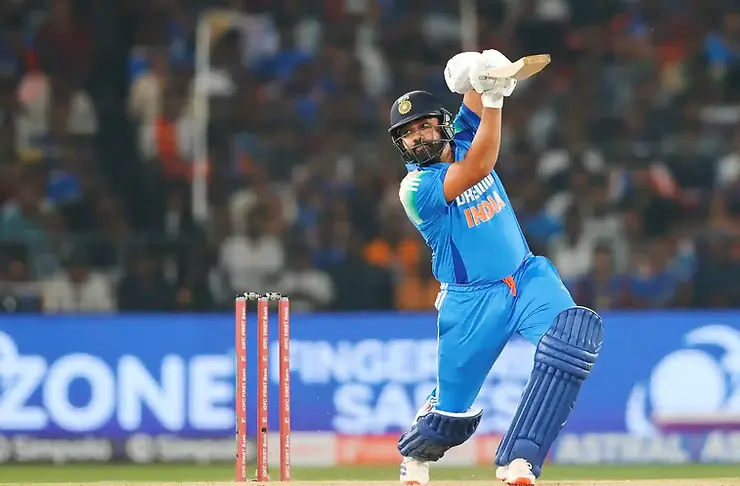
One of Jaiswal’s biggest tactical advantages is simply that he bats left-handed. Slotting him in alongside Rohit immediately restores the left-right balance that India enjoyed in previous eras with combinations like Shikhar Dhawan–Rohit Sharma, which often forced bowlers to constantly adjust lines and angles.
Rohit is known for starting measured and then exploding once set on the crease. Jaiswal, in contrast, is naturally busy from ball one, looking to pierce gaps, run hard, and pounce on any width, which means he can take on the early risk and free Rohit to build an innings without scoreboard anxiety.
Read More: IND vs SA ODIs 2025-26: Who replaces Shreyas Iyer at no. 4

Complementary styles at the top
In terms of rhythm, there is also a subtle similarity between the two. Both are eye-pleasing stroke-makers who value timing over brute force, and both are capable of converting starts into big scores once they cross fifty.
The tempo between the two players is also very similar. Jaiswal also focuses on high-intent powerplays, like Rohit. However, with Jaiswal at the other end, Rohit will get extra room to settle down and play big. Put together, this can create an opening stand where one batter anchors and the other keeps the rate above six an over without reckless risk, ideal for modern 50-over targets.
Any doubts about whether Jaiswal can handle high-quality white-ball attacks should be eased by his IPL and T20I body of work. He has scored heavily against both pace and spin, often taking on the opposition’s best bowlers in the powerplay and middle overs.
His shot range, the lofted extra-cover drive, the whip over midwicket, the late cuts and ramps, allows him to access different parts of the field.
Read More: Ind vs SA ODIs 2025-26: India squad analysis & probable starting XI
Test class underpinning his game
Jaiswal’s success is not built solely on T20 hitting; it is anchored in the solid base of his red-ball game. From his dream Test debut, where he scored 171 in the Caribbean, to big runs in marquee series later on, he has shown the temperament and technique to bat long and absorb pressure.
That Test class matters in ODIs, especially for an opener. It suggests he can adjust to conditions, leave well early if the ball is moving, and then cash in once set, all while carrying his natural attacking instinct.
Audition for a post Rohit future
Beyond this series, there is a larger context: India need to plan for a future where Rohit is no longer a full-time ODI player. With major ICC events lined up over the next cycle, the team management will want at least one young opener locked in to take over the mantle.
A strong ODI series in South Africa would allow Jaiswal to position himself as that long-term option: a left-hander with all-format credentials, proven in the IPL, with the range and fearlessness needed for modern white-ball cricket. If he can convert starts into one or two big hundreds on this tour, it becomes very hard for selectors to ignore him once Gill returns.
Ultimately, these South Africa ODIs are a test not just of Jaiswal’s skill but of India’s willingness to back exceptional talent with a proper run. At 23, with serious numbers in Tests, T20Is and the IPL, he is too good a player to be confined to the fringes as a perennial “reserve opener.”
Read More: Selection errors or rusty ODI execution: What are the causes of India’s series loss in Australia?


