

A fair look at Shubman Gill’s Test captaincy so far — key decisions, results, leadership traits, and areas needing improvement.

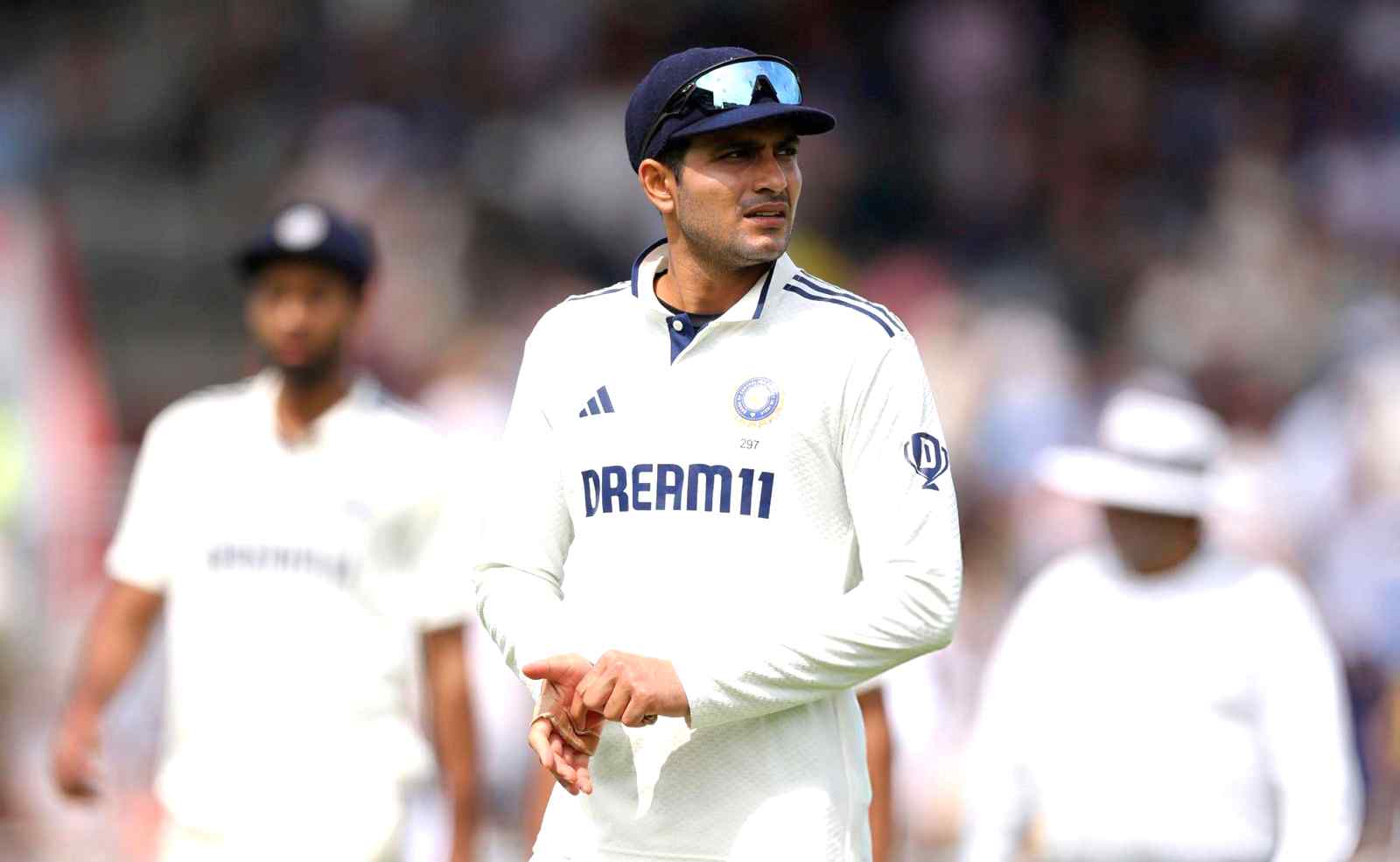
With four wins in eight Test matches at a win-loss ratio of 1.33, Shubman Gill has made a decent start to his captaincy career. Gill was fairly impressive when he was given the chance to lead the team on short notice, post Rohit Sharma and Virat Kohli’s shocking Test retirement.
There were several moments in the last six months when the Punjab-born looked a bit clueless in his tactics. However, it was also pleasing to see how Gill led a comparatively young side against a brutal England team in alien conditions.
After the end of the home England series in 2024, the then-head coach Rahul Dravid was happy with Gill’s leadership potential. There could have been an argument made against the right-handed batter, who averaged 35.05 after 32 games. But the selectors saw the willingness and trusted the skills beyond just numbers.
Read More: How WTC 27 Table looks after Guwahati Test? Are India virtually out of running for the WTC final?
Gill’s first acid test in England- improvement with time
Gill passed his first test with flying colours when he recorded a fine 147-run knock in the first innings of the opening Test at Headingley against England. But, he looked short of plans when England activated their Bazball approach and went hard at the India bowlers. The field was open in the 12th over of the innings despite Jasprit Bumrah sending back Zak Crawley in the opening over.
Meanwhile, the same picture reflected even in the 373-run record chase when they didn’t have a second plan against Ben Duckett and Crawley’s 188-run opening stand. There was also a lack of communication between Gill and a few bowlers; the field set-up was a clear indication of it. India ended up losing the contest by five wickets from a clinical position.
“It’s not one-dimensional. There are a lot more things that go on in red-ball cricket, and that’s the most exciting thing. It’s not going to be easy, but I think we’re ready for any challenge,” Gill said to BCCI TV before the England trip. In just five days of the series, he realised how draining Test captaincy could be.
At Edgbaston, the 26-year-old led by example. He continued his dream run of form with 269 in the first innings. But the most fascinating part of the contest was Gill’s improved captaincy. Apart from the 303-run massive stand, he didn’t let the home side run away with the momentum.
Even at Lord’s, late on the third day, one could sense the brutal version of Gill’s leadership. The only thing to look back in terms of his captaincy mistake from that contest would be when he changed the 10-over old second new ball. It was swinging and seaming with India getting full advantage of it. There was no need for a change. And once they did, the amount of seam and swing decreased substantially.
Subsequently, there were a few tactical errors from Gill in Manchester. His decision to hand over the new ball to debutant Anshul Kamboj received hard criticism. England went off to a 166-run opening stand as Kamboj struggled with consistent line and length. Gill also delayed the introduction of spin despite the surface assisting the spinners.

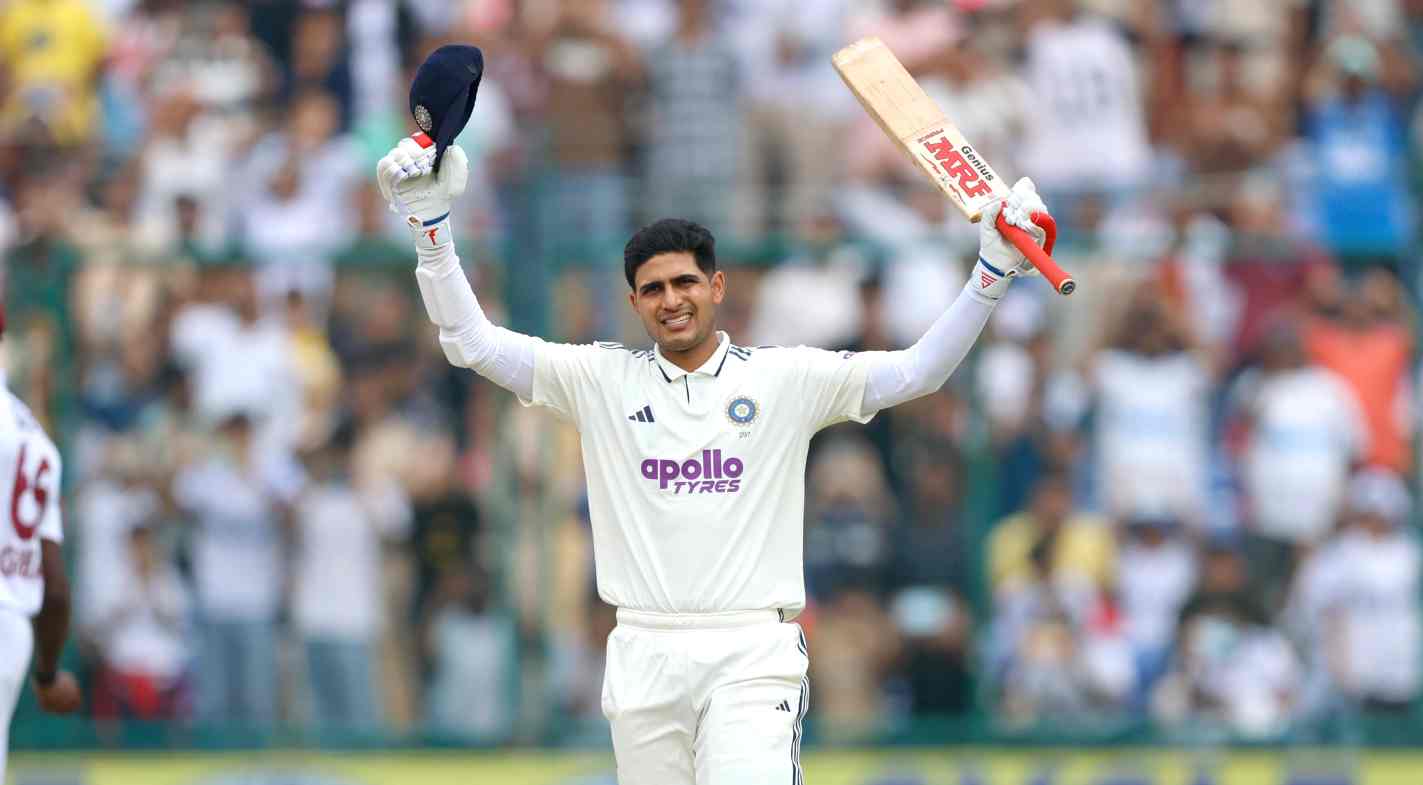
India’s inspiring victory on the last day of the fifth Test at the Kennington Oval helped them draw the series 2-2. It was one of those trips where the Blue Brigade should neither be happy nor sad with the ultimate result. Over the seven weeks in the UK, they had multiple chances of winning the series. But they were amateur at times. While on the flip of the coin, before the series, they would have gleefully accepted the offer of a 2-2 finish.
“I have played under some terrific leaders. Rohit bhai was very clear with his communication about what he wanted from the players. That was his great quality, which I would want to inherit from him. As a leader, as a captain, you definitely want to be able to lead by example, by your performance, and in any match that you play,” Gill said in his very first press conference as India’s Test captain.
He walked the talk, ending the England series with 754 runs in 10 innings at an average of 75.40. He broke the record for the most runs by an India captain in a bilateral Test series, overtaking Sunil Gavaskar’s 732 runs against West Indies in 1978/79. He also recorded the highest Test score (269) as captain for India, going past Kohli’s 254* against South Africa in Pune.
Since he was appointed captain, Gill has brought out his 2.0 version. The right-handed batter is the leading run getter in Tests in 2025 with 983 runs at an average of 70.21.
Read More: Gautam Gambhir’s record as head coach has more reds than expected
Gill needs to be careful with team combination & overseas preparation
Gill continued his success with a 2-0 home Test series victory against West Indies. It was comparatively an easy task for the two-time WTC runners-up. West Indies showed the white-flag in Ahmedabad before fighting hard in the second Test in Delhi. But that wasn’t enough to turn the tables.
Meanwhile, Gill’s biggest challenge will be to get the right team combination. There was no way they should have gone with four spinners in the Kolkata Test against South Africa. And as it generally happens, one of the spinners- in this case, Washington Sundar- ended up bowling one over across two innings.
After the West Indies series, Gill spoke about how they wanted to build Nitish Reddy as a future all-rounder for the overseas Tests. But the planning from the management and Gill’s words didn’t match each other. In Delhi, Reddy didn’t get the chance to roll his arms despite the hosts toiling hard for over 200 overs across two innings.
“He didn’t really get to bowl any overs in this match. We don’t want players to only play matches overseas. That puts a lot of pressure on the players. We want to groom certain players that we think can help us win matches overseas,” Gill said regarding Reddy, who bowled only six out of 151.1 overs of the first innings in the Guwahati Test.
They will also need to be crystal clear with the home surfaces. The Kolkata surface wasn’t up to the mark with vicious spin neutralising the threat of the home bowlers. Even the Guwahati surface is benign as Kuldeep Yadav admitted, with no spin on the first two days.
Currently out of the second Test against the Proteas, Gill will be back to Test leadership in Sri Lanka in August, 2026. As of now, he has a decent start in Test captaincy, as per the records. Any captain is judged on the team’s continuous success against strong sides in tough conditions. Therefore, Gill’s new challenges lie ahead next year in Sri Lanka and New Zealand, followed by the home Border-Gavaskar Trophy in early 2027.
Read More: Reasons why India batters find themselves vulnerable against spin in the current era


