

Gautam Gambhir excels as a T20 strategist but struggles in Tests — is it time India considers split coaching roles?

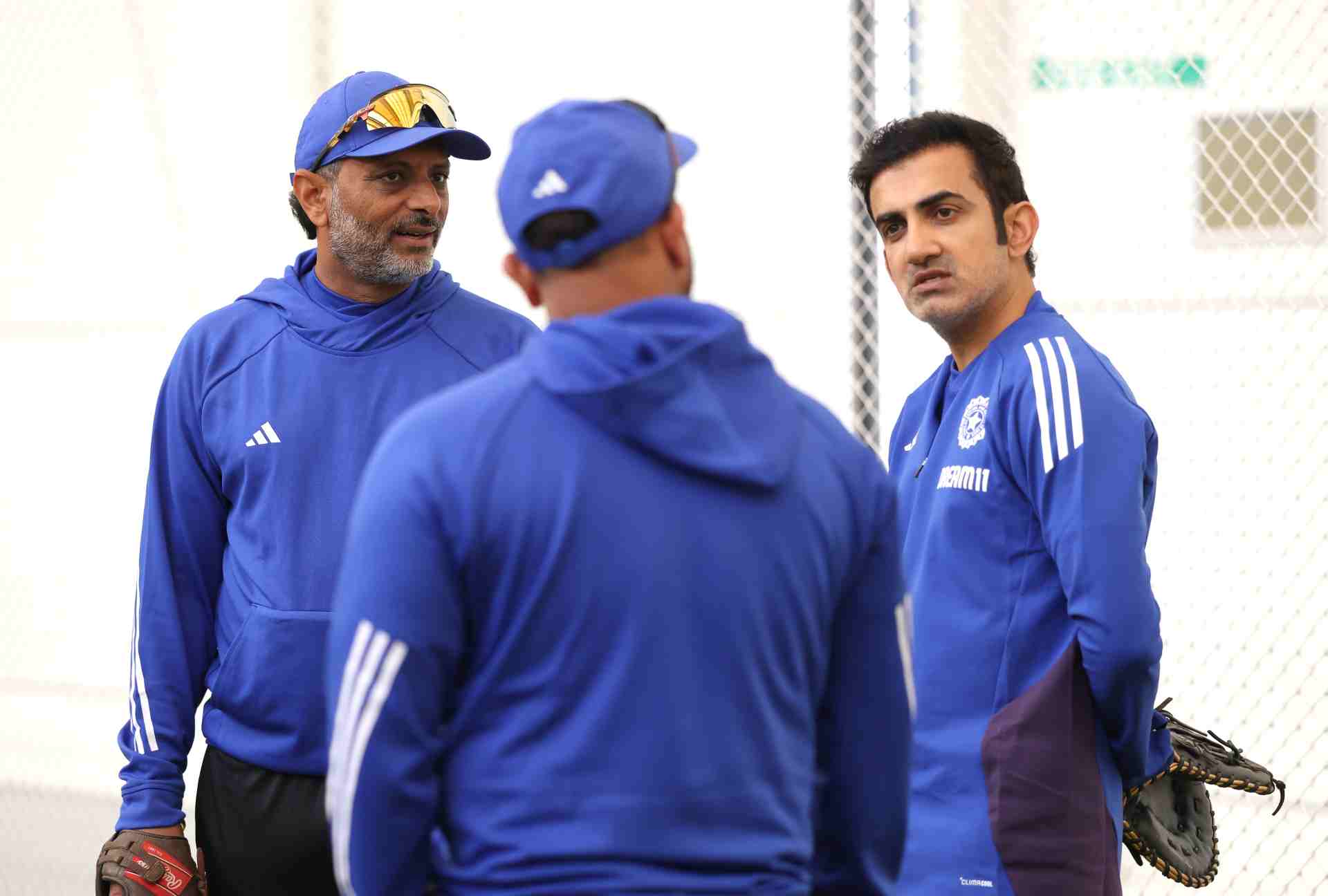
With the dominance of the white-ball format, Gautam Gambhir has proven that his strategies and decisions can deliver results, as seen in India’s success at the ICC Men’s T20 World Cup 2026, which reinforced the team’s status as a powerhouse in the format. However, the same success has not translated to the red-ball game. As India’s Test record begins to suffer, the Board of Control for Cricket in India (BCCI) faces a dilemma: whether to continue with Gautam Gambhir as head coach across all formats or move toward a split coaching model.
Gautam Gambhir, the white-ball mastermind
Gautam Gambhir’s capabilities and contributions to Indian cricket are evident in his two-decade-long career. His brilliance on the field helped India achieve some of the major milestones in modern cricket history. His experience in the limited-overs format includes 147 One Day Internationals (ODIs) and 37 Twenty20 Internationals (T20Is). Furthermore, he played 154 matches in the Indian Premier League (IPL), scoring over 4,000 runs.
This wealth of experience has consistently benefited the teams he has mentored. He guided the Lucknow Super Giants to the playoffs for two consecutive seasons, and under his mentorship, the Kolkata Knight Riders ended their decade-long IPL title drought in 2024. Currently, under his guidance, India’s dominance in white-ball cricket has been remarkable. Since 2024, India has maintained an 85 percent win rate in T20Is, consistently outperforming opponents. With the victory in the ICC Men’s T20 World Cup 2026, Gambhir has further demonstrated that he is capable of guiding the team to success in white-ball cricket.
In the shorter formats, the game moves quickly, making it crucial to navigate the team through challenging situations. Gambhir has shown this ability with a sharp eye for talent and a knack for deploying the right player at the right time, which has established him as a white-ball mastermind.
Read More: Gautam Gambhir a T20 Talisman – Taking India to newer heights in shortest format
Red-ball reality check
However, on the other hand, India have lost the home dominance they once enjoyed in the red-ball format. Within two years, the team lost the Border-Gavaskar Trophy, which also ended their ICC World Test Championship hopes. They have also suffered a home series defeat against New Zealand, along with losses to England and South Africa on home soil. The team that once looked nearly impenetrable at home between 2013 and 2023 have now suffered six defeats.
Under Gautam Gambhir, India have played a total of 19 Test matches, losing 10, drawing two, and winning seven. These setbacks have jeopardised India’s ICC World Test Championship campaign. They have also highlighted issues such as misreading pitches and ineffective bowling rotation. Moreover, difficult overseas assignments have further compounded the problem. Gambhir’s mastery of white-ball cricket has not yet translated to the five-day red-ball format. Test cricket demands patience, strategic attention, tactical adaptability, and foresight over the course of five days, and the numbers suggest that Gambhir’s decisions in the red-ball format are questionable.
Can India learn from others?
Modern-day cricket demands a specialised approach. The white-ball and red-ball formats need to be assessed and studied differently. Australia’s early exit in the 2026 T20 World Cup is because of a one-team-for-all-format approach, which needs to be changed and tackled accordingly. The BCCI should look at the historical data of other major cricketing nations that implemented the split-coaching system and decide whether to implement it or not, because there have been drastic changes in the performance of teams that implemented this model.
England appointed Brendon McCullum for Tests and Mathew Mott for the white-ball formats. The team that had been suffering in test matches thrived with a winning percentage of 60 and above; meanwhile, under Motts, the team won the 2022 T20 World Cup. Similarly, Shukri Conrad was handed the reins of the red-ball format of South Africa, which yielded them the World Test Championship of the 2023-25 cycle, while Rob Walter handled the white-ball format with decent results.
Split coaching decision is the need of the hour for India in the red-ball format. With white-ball dominance being achieved, it is important to address the structural flaws in the red-ball format.
Read More: Gautam Gambhir’s record as head coach has more reds than expected

Alternatives for Tests
If the Board of Control for Cricket in India (BCCI) decides to implement a split-coach structure, there is no shortage of personnel who could guide the red-ball format. The domestic circuit has many capable mentors who have been working with young players while mastering the nuances of the multi-day game.
VVS Laxman, the head of the National Cricket Academy, understands modern players and the demands of the contemporary red-ball format well, and could help pull India out of their struggles. His experience, especially in Test cricket, could play a crucial role in shaping effective strategies. He might provide the calm and technically sound guidance that the team needs.
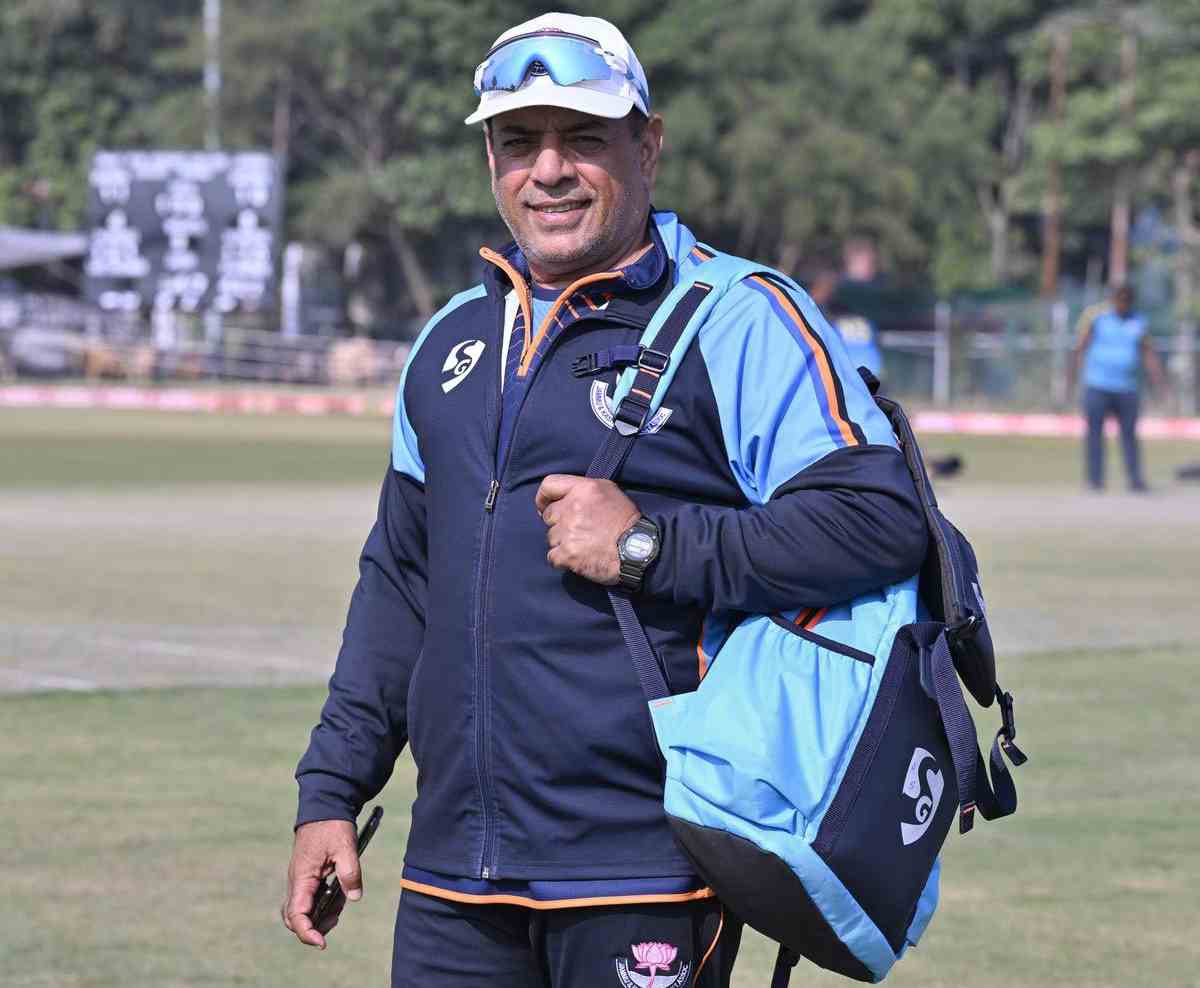
Another prime candidate is Chandrakant Pandit. His experience and record of winning multiple Ranji Trophy titles with different teams across the country prove that he is a master tactician of the five-day format. Ajay Sharma, who guided Jammu and Kashmir to a Ranji Trophy triumph, could also be a suitable option to help rebuild the red-ball squad.
Undoubtedly, Gautam Gambhir is an asset for India, but his shortcomings in the red-ball format need intervention. His mastery of the white-ball format is impeccable, and he should remain the head coach for the white-ball formats. But it is important to address the flaws of the Test squad for an improved performance in the upcoming World Test Championship cycle. India require next-generation red-ball cricketers who have the rigour and temperament that is required to play a five-day match. To fill this gap, the BCCI must implement the split-coaching model; it has become the undeniable need of the hour.
Read More: Realisation of dream for J&K and Redemption for coach Ajay Sharma, as UT wins 1st Ranji title


